
REVIEW · FRANCE
Guided tour Distillery of Lavender between Nîmes & Arles
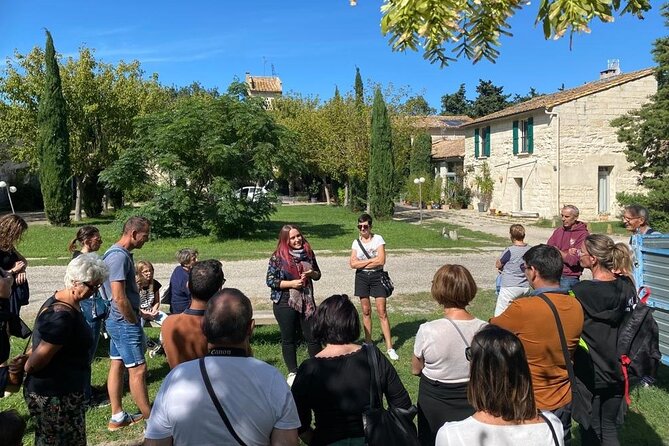
The best part of this one-hour distillery visit is that lavender is only the beginning. At un MAS en PROVENCE near Bellegarde, between Nîmes and Arles, you learn how lavender, verbena, immortelle, rosemary, and other fragrant plants become essential oils and cosmetics. I like the clear, hands-on look at farm tools and the chance to see how a working Provençal estate connects fields, machinery, and finished products. I also like that guides such as Sylvain and Betty bring humor and explain things simply for both children and adults.
The main thing to consider is the setting and timing. This is a short visit rather than a full-day lavender outing, and good weather matters because part of the tour takes place outdoors. The advertised language is English, although guide Sylvain has also handled French, English, and German explanations during visits.
Key points to know before you go
- See more than lavender: The tour covers verbena, immortelle, rosemary, and other aromatic plants.
- Learn the production process: You see the tools used from planting through harvesting and hear how distillation produces essential oils.
- Expect a friendly guide: Betty and Sylvain are among the guides who lead visits, with a style suited to families and mixed-age groups.
- The shop is part of the experience: After the tour, you can ask for product advice and browse the estate’s oils, cosmetics, and related goods.
- Good value at about $9.65: The low price makes this an easy add-on from Nîmes, Arles, or the Camargue.
- Plan around the weather: The visit requires suitable weather and may be moved or refunded if conditions are poor.
A working Provençal farm, not just a lavender photo stop
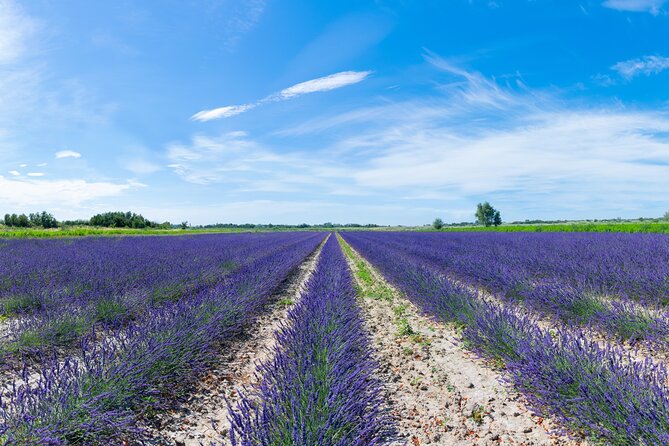
Many lavender visits are built around a field and a few photographs. This one gives you a better sense of what happens before and after the pretty purple rows. At un MAS en PROVENCE, the focus is the full route from plant to perfume.
You begin at Le Mas Neuf on Avenue du Félibrige in Bellegarde. The estate is in the Occitanie region, close to the Camargue and within easy reach of Nîmes and Arles. The setting matters. You are not looking at a display arranged only for tourists. You are visiting a family-oriented operation with organic values, a distillery, and a shop selling products made around the plants grown and processed there.
The tour introduces the fragrant plants cultivated on the property. Lavender is the obvious star, but it shares the stage with lemon verbena, immortelle, rosemary, and other aromatic varieties. That wider selection gives the visit more substance. You learn that different plants have different scents, uses, and properties, rather than treating every Provençal herb as the same thing.
For me, this is the right kind of short farm visit. You get enough information to understand the work, but you are not committing half a day to a large industrial attraction.
More Distillery Tours in the world:
- Dublin: Jameson Whiskey Distillery Tour with Tastings
★ 4.7 · 4,859 reviews - Dublin Jameson Distillery Bow St. Tour and Tasting 45 mins
★ 5.0 · 4,690 reviews - Dublin Jameson Distillery and Guinness Storehouse Guided Tour
★ 4.5 · 2,608 reviews
What you see in the fields
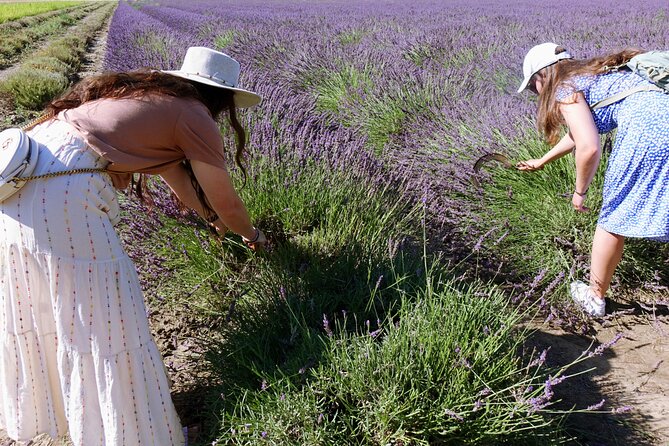
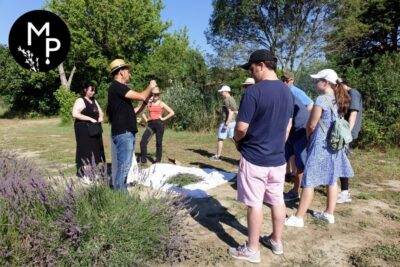
The outdoor part gives you a close look at the plants and the agricultural side of production. Depending on the season and the exact route that day, you might see lavender fields and other fragrant crops growing around the mas. The guide explains how the plants are cultivated and helps you identify the varieties and their uses.
That is useful if you have only seen lavender as a broad purple field. The plant is not simply decorative. It must be grown, maintained, harvested, and processed at the right stage. Verbena, immortelle, and rosemary each bring their own scent and role to the operation.
The guide also points out the agricultural tools used from planter to harvester. This is a small but important detail. Instead of hearing only a general explanation about essential oils, you can connect the finished bottle in the shop with the practical equipment needed in the fields.
Families should find this section approachable. The explanations are designed to be understandable rather than technical, and children can take part in identifying plants and equipment. The visit has been described as suitable for children as young as three and six, although every family knows its own child’s attention span best.
Bring sensible expectations. The tour is not a long botanical lesson, and the available information does not promise a particular plant in bloom on every date. The visual appeal will vary with the season and weather. You are paying for the guided explanation and working estate as much as for a perfect lavender photograph.
Inside the distillery: how scent becomes oil
The indoor portion shifts the focus from cultivation to extraction. Here, the guide explains the distillery and the process used to obtain essential oils. The language can sound mysterious until you see the basic chain: aromatic plant material goes through a careful extraction process, and the resulting oil is collected for use in products.
The distillery is the part that gives this outing its purpose. You are not only smelling plants. You are learning why the same farm can produce oils, cosmetics, and other fragrant goods. The guide may also use video or indoor displays to add variety to the explanation. A visit can move between outdoor plants and indoor material, which helps on a warm or changeable day.
Sylvain has been praised for making the tour participatory and lively, rather than speaking at the group. Betty is another guide associated with the visit, and the team’s approach is friendly and professional. One especially useful feature is multilingual ability. Sylvain has translated explanations rapidly for visitors from different countries, and the advertised tour language is English.
If you care about organic production, ask questions. The estate presents itself as an organic operation with a family spirit. The tour is a chance to hear how those values affect the plants and products directly from the people working there. I would not expect a laboratory-level lesson in chemistry, but you should come away with a solid practical idea of how essential oils are produced.
A shop that continues the visit
The shop is not a rushed checkout area at the end. It extends the visit and lets you connect what you have just learned with items you can examine in person. Products include essential oils, cosmetics, and other goods based on the estate’s fragrant plants.
This is where the low tour price becomes especially useful. At roughly $9.65 per person, you can treat the visit as a modest cultural stop, then decide for yourself if any product is worth buying. You are not forced to purchase anything to justify the admission.
The staff can offer personalized advice, which is valuable if you are unsure about the difference between products or the best way to use them. The shop has been described as attractive, and the products are considered reasonably priced. Still, prices and stock can change, so you should see the shop as a chance to browse rather than a guaranteed shopping list.
A word of restraint is useful here. Essential oils and cosmetics are personal products. If you plan to buy them, ask about their intended use and follow the product guidance. The pleasant scent is not the only thing that matters.
More Guided Tours in the world:
- Dublin Irish Whiskey Museum and Gallery Guided Tour with Tasting
★ 5.0 · 3,078 reviews - Dublin Teeling Whiskey Distillery Guided Tour and Tasting 1 Hour
★ 5.0 · 1,765 reviews - The Scotch Whisky Experience Guided Whisky Tour – An Introduction to Whisky
★ 4.5 · 1,578 reviews - Guided Tour at the Curaçao Liqueur Distillery
★ 4.5 · 589 reviews
Why the guide makes a difference
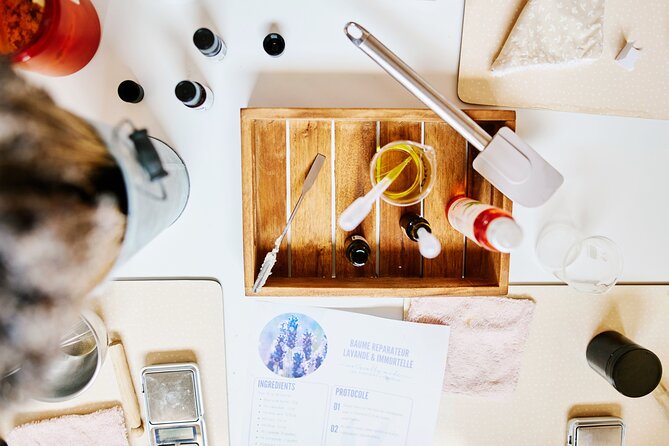
A short farm tour can become dull if the guide simply recites plant names. This experience depends heavily on the person leading it, and the named guides bring different strengths.
Sylvain is described as playful, clear, and passionate. He involves the group, explains the operation in an easy way, and has worked across languages. Betty is also noted for telling the story of the farm in a friendly, helpful manner. Those details matter because the tour covers ordinary working subjects, such as tools, planting, harvesting, and extraction. A warm guide turns those steps into a story you can follow.
The tour is private, with only your group participating. That can make questions easier and may be a better fit than a large coach group. It also means the tone can feel more personal. Do remember that private does not necessarily mean a long customized tour. The scheduled duration is about one hour.
The visit has a strong family angle. Children can learn the names and uses of the plants, see the equipment, and take part in the explanations. Teenagers may also find more to interest them than they expect, especially if the guide explains how farming, processing, and retail fit together.
Is $9.65 good value?
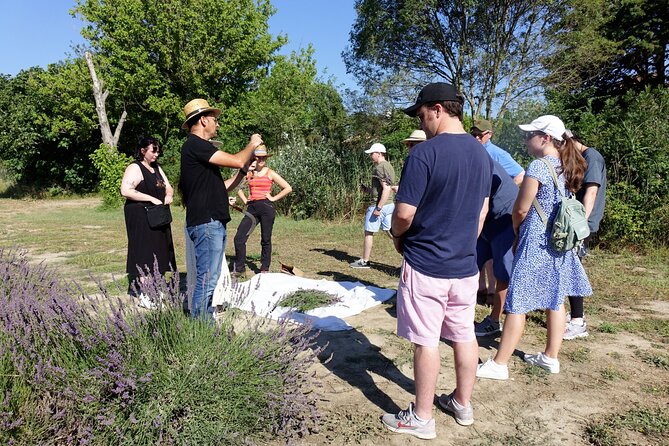
Yes, if you are already in the Nîmes, Arles, or Camargue area and want a focused stop. The price is low for a guided experience, particularly one that includes admission to the farm and distillery. The tour also ends where it starts, so you do not lose time moving between separate sites.
The value comes from the combination of access and explanation. You see the working setting, hear about cultivation, examine the tools, learn about essential-oil extraction, and have time in the shop. A free shop visit alone would not give you the same context.
The limitation is scale. You should not book this expecting a major museum, a lengthy production demonstration, or a full day among lavender fields. The visit lasts about an hour, though guides may run longer when there is more to explain. That extra time can be welcome, but you should allow some flexibility in your schedule.
The activity is often booked about 17 days ahead. That suggests you should not leave it until the last minute if your route through southern France is fixed. Confirmation arrives when you book, and the mobile ticket makes the practical side simple.
Getting there and planning the timing
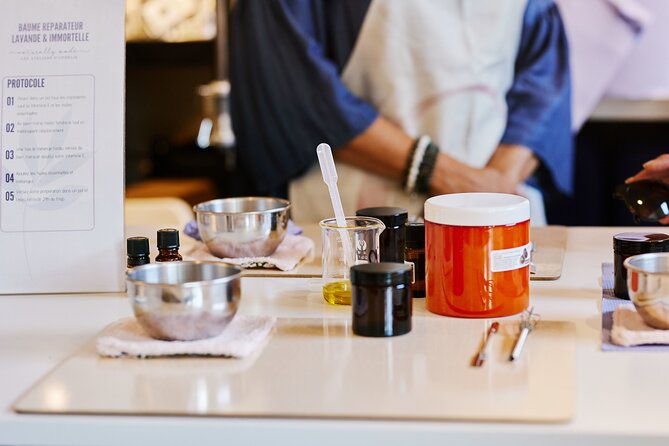
The meeting point is un MAS en PROVENCE Distillerie d’huiles essentielles BIO & Cosmétique en Occitanie, Le Mas Neuf, Avenue du Félibrige, 30127 Bellegarde, France. The activity ends back at the same place.
The location makes sense as a stop while exploring the Camargue, or as a detour between Nîmes and Arles. The supplied information does not specify a shuttle, public transport arrangement, or pickup service, so plan to reach the meeting point independently.
Allow more than the stated one hour if you want to browse the shop or ask questions. The guided portion may last longer than planned when the guide takes time with the group. That is usually a benefit, but it can matter if you have a train, lunch booking, or another timed attraction afterward.
Service animals are allowed, and most people can participate. The outdoor element means comfortable clothing and practical footwear are sensible, though no special equipment is listed.
Weather and cancellation details
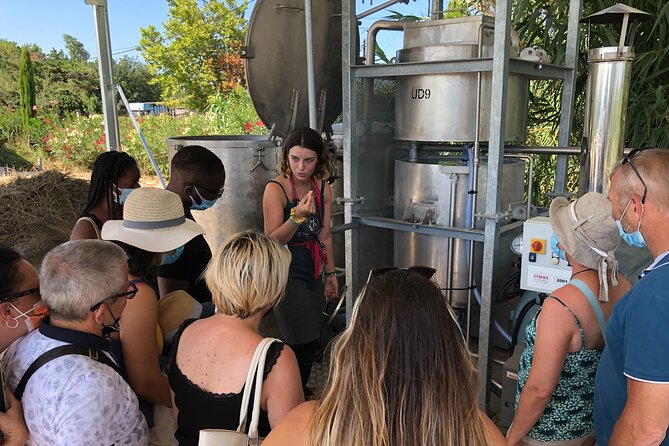
Good weather is required for this experience. If poor conditions force a cancellation, you can be offered another date or a full refund. Since part of the visit takes place outside, this is a reasonable condition rather than a minor technicality.
You can cancel for a full refund up to 24 hours before the start time. Cancellations or changes made less than 24 hours before the start are not refunded or accepted. The cut-off follows local time.
The activity also needs a minimum number of participants. If that minimum is not reached, you can receive another date or experience, or a full refund. Keep those rules in mind when building a tightly timed day around the tour.
Who should book this visit?
I would choose this for a family looking for a manageable educational stop, a couple interested in Provençal plants, or anyone who wants to understand essential oils beyond the souvenir bottle. It also suits visitors with a spare hour near Bellegarde who prefer a working farm to a large formal attraction.
It is particularly good for you if you value:
- A small-scale private visit
- Friendly, clear explanations
- Organic farming and local production
- A short activity that works for children
- Time to ask questions and shop afterward
- A connection to the Camargue, Nîmes, and Arles area
You may want something else if your main goal is a long lavender-field walk, a full production workshop, or a whole-day agricultural tour. The estate offers workshops separately, but this one-hour visit is an introduction rather than an advanced class.
Should you book the lavender distillery tour?
I would book it if you are nearby and want a well-priced, human-scale look at Provençal plant production. The 4.9 rating from 84 reviews and 100 percent recommendation figure reflect a consistently strong response, but the more useful point is what the experience actually offers: clear guides, family-friendly explanations, a working farm, several aromatic plants, and a distillery connected to a real shop.
Book with enough time to reach Bellegarde and leave room for browsing. Choose a day with suitable weather, especially if you care about seeing the fields. At $9.65, the risk is small, and the visit gives you much more than a quick photo stop. Just keep the one-hour format in mind. This is a compact introduction to lavender and essential oils, not an all-day Provençal farm adventure.
FAQ
Where does the lavender distillery tour begin?
It begins at un MAS en PROVENCE Distillerie d’huiles essentielles BIO & Cosmétique en Occitanie, Le Mas Neuf, Avenue du Félibrige, 30127 Bellegarde, France.
Where does the activity end?
The tour ends back at the meeting point in Bellegarde.
How long does the guided visit last?
The visit lasts approximately one hour. It may run longer if the guide takes additional time to explain the farm and its products.
What language is offered?
The tour is offered in English. The guide team can also provide multilingual explanations, and Sylvain has translated information for visitors in several languages.
Is this a private tour?
Yes. Only your group participates in the private activity.
What plants will I learn about?
The visit covers lavender, verbena, immortelle, rosemary, and other fragrant plants cultivated at the Provençal estate.
Is the tour suitable for children?
Most travelers can participate, and the visit is designed to be accessible to children as well as adults. Service animals are allowed.
Can I cancel for a refund?
Yes. You can cancel at least 24 hours before the start time for a full refund. Poor weather or failure to meet the minimum number of participants may also result in an alternative date or a full refund.
Just added around the world
- Zagreb: Fine Spirit Tasting & Distillery Tour★ 5.0 · 3 reviews
- York: Gin Tasting Experience at York Distillery★ 5.0 · 7 reviews
- VIP Skip-the Line Titanic Museum and Whiskey Tasting Tour★ 4.8 · 11 reviews
- Waiheke Island: HEKE Distillery & Brewery Tour with Tastings★ 5.0 · 2 reviews
- Hokkaido: Nikka Yoichi Whisky Museum Guided Tour & Tasting★ 4.7 · 4 reviews
- Uncle Nearest Green Distillery Tour from Downtown Nashville★ 4.5 · 12 reviews
- NON BUS Old Mission Wine And Distillery Sunset Tour – 4 STOP★ 5.0 · 2 reviews
- Tromsø: Local Whisky Tasting Experience★ 4.9 · 15 reviews
France Whisky Tours, compared.
Lavender Field & Distillery Tour between Nimes & Arles
Read our review →
Pont-l’Évêque: DISTILLERIE PERE MAGLOIRE Entry with Tastings
Read our review →
Paris Craft Distillery Make Your Own Gin Workshop
Read our review →
Distillerie Les 1309: Between tradition and modernity – close to Cognac
Read our review →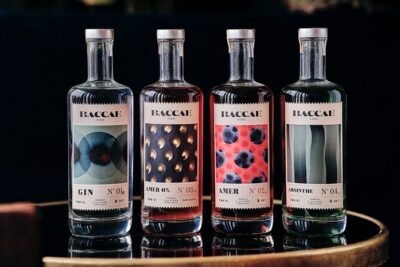
Guided Tour and Tasting at the Distillerie Baccae Paris
Read our review →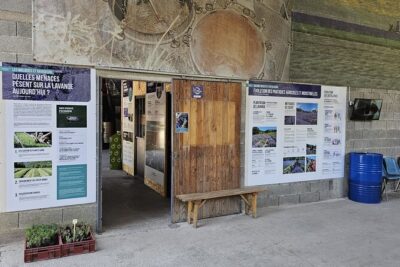
Tour Guide of an Essential Oil Distillery in the Drôme
Read our review →
Private tour from Cognac – Cognac Distillery & Bordeaux Winery with a workshop
Read our review →Browse the lists this tour appears in