
REVIEW · FRANCE
Distillerie Les 1309: Between tradition and modernity – close to Cognac
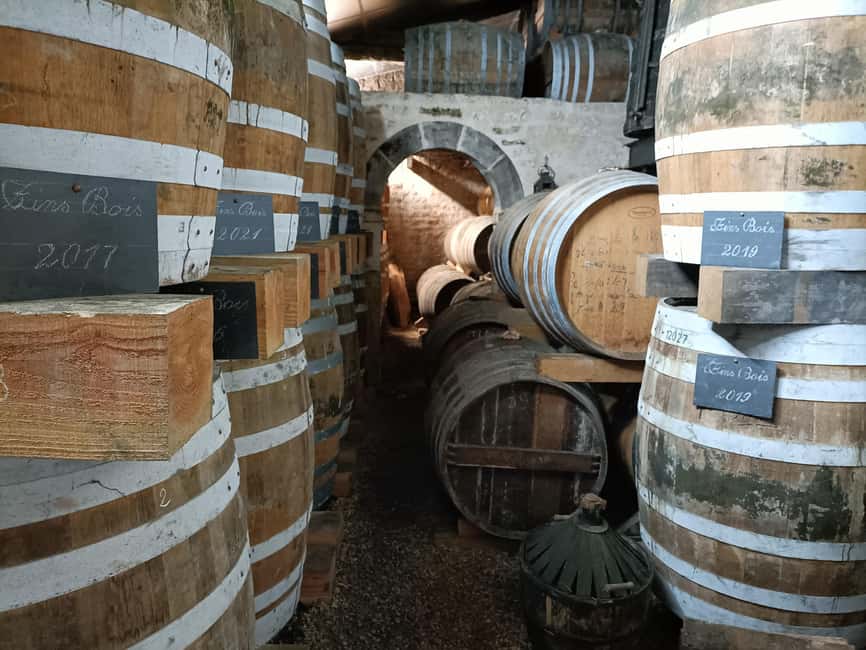
The best part of Distillerie Les 1309 is that the whole process stays in view. You follow the grapes from vineyard to cellar, see the old Charente still, visit the aging room called the paradise, and finish with spirits made on the same family property. Jérôme, a third-generation winegrower, leads the visit with stories about his family and trade.
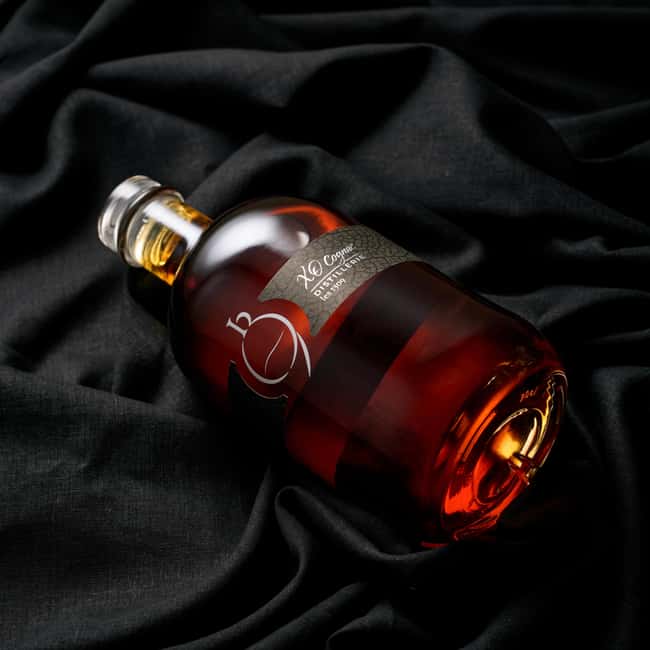
I like the small-producer feel and the chance to see practical equipment such as the grape press and farm machinery. I also like the tasting value: the visit costs $8, and the tasting can include three Cognacs and three Pineaux de Charentes, with generous pours and bottles available for purchase.
The main consideration is that this is a working family distillery, not a polished show built for large crowds. Some explanations and material may appear in the original language, though the tour is offered in French and English. The route also begins at 1 Rue de Neuvicq and finishes at 11 Rue du Renclos, so pay attention to the meeting and end points.
Key points at a glance
- Jérôme leads the visit personally: You hear the estate story from a third-generation winegrower rather than from a recorded presentation.
- The Charente still is the technical centerpiece: You see how distillation turns estate wine into Cognac.
- The aging cellar has a local name: The paradise is where Cognacs and Pineaux rest before bottling.
- The vineyard is part of the tour: A short outdoor stop connects the final spirit to its soil and grapes.
- The tasting is unusually broad for the price: You may taste three Cognacs and three Pineaux de Charentes, all made on site.
- The visit mixes old and new: Traditional distilling sits beside modern cellars, bottling, labeling, and farm equipment.
A family distillery near Cognac, not a grand brand showroom
Distillerie Les 1309 offers a different kind of Cognac visit. You are not simply shown a display of bottles and ushered toward a shop. The visit moves through the places where the work actually happens: the distillery, aging cellar, vineyards, and wine cellar.
That matters because Cognac can seem mysterious when you only encounter it in a glass. Here, the drink is tied to a sequence you can follow. Grapes are grown, harvested, turned into wine, distilled in a Charente still, aged in wooden casks, bottled, labeled, and finally tasted.
Jérôme is central to the experience. He explains the estate’s story and the skills passed down through three generations of winegrowing. His role gives the tour a personal tone, and he can conduct it in French or English. If you care about how a family business works from one season to the next, his explanations add more than a standard product talk.
I would choose this visit if you want a direct connection with the producer. It is less suited to someone looking only for a quick tasting at a famous commercial house. The focus here is the making of the spirits, with the tasting as the reward at the end.
More Distillery Tours in the world:
- Dublin: Jameson Whiskey Distillery Tour with Tastings
★ 4.7 · 4,859 reviews - Dublin Jameson Distillery Bow St. Tour and Tasting 45 mins
★ 5.0 · 4,690 reviews - Dublin Jameson Distillery and Guinness Storehouse Guided Tour
★ 4.5 · 2,608 reviews
Starting at 1 Rue de Neuvicq
The experience begins at 1 Rue de Neuvicq with a welcome from Jérôme. The opening sets the tone: you hear about the family estate before getting into the machinery and production details.
This first section is useful because it gives the later stops a human frame. A still is easier to understand when you know who operates it and why the family has kept the work going. Jérôme’s story also helps explain the balance between inherited methods and newer facilities.
The first winery stop lasts about 30 minutes. That is the longest single portion of the tour, so expect more than a quick look around. You will receive an introduction to the estate and a guided explanation of how its production is organized.
The available information does not specify the group size, so I would not assume a private tour. Still, the personal guide format should feel more conversational than a large factory presentation. You have time to ask about production, the family, or the differences between Cognac and Pineau.
Seeing the Charente still at work
The distillery is where the old methods become clear. You will see the traditional Charente still and learn how distillation works. This is the technical heart of the visit, and it gives you a better sense of why Cognac is not simply grape wine in a stronger form.
The still connects the estate’s wine to the finished spirit. Jérôme explains the stages rather than asking you to admire a piece of copper equipment with no context. For many people, this will be the part that answers the basic question: how does the liquid change from harvest-time wine into Cognac?
The visit also brings in practical farm equipment and the grape press. That detail makes Les 1309 feel like a working agricultural property. You see more than the final bottles, and you get a clearer idea of the labor between vineyard and cellar.
Allow about 15 minutes for this guided portion and its photo stop. It is short, but it follows naturally from the opening estate presentation. If you enjoy machinery, production methods, or traditional crafts, you will likely want to use your questions here.
One limitation is that the supplied information does not give a full technical breakdown of every distillation stage. You should expect a clear explanation of the process, not a specialist training course in Cognac production. For most visitors, that is a sensible level for a 90-minute tour.
The paradise where the spirits wait
Next comes the aging area, known as the paradise. This is where the Cognacs and Pineaux rest and mature over time. The name adds a bit of local character, but the main value is practical: you see the pause between production and bottling.
A spirit’s identity is not decided only at the still. Time in the cellar changes its character, and this stop helps you understand that production continues even when the bottles are not being handled. The quiet cellar also gives the tour a welcome change of pace after the machinery.
The route then moves outdoors to the vineyard. The vineyard stop lasts around 15 minutes, including a guided explanation and time for photographs. It is a brief visit, but it ties the whole process back to the source: grapes, soil, and the local Charentes setting.
I like that the vineyard is not treated as a decorative backdrop. It is part of the production story. You are shown where the raw material begins, then later return to the cellar to see how it becomes a finished product.
Because the vineyard portion is short, do not expect a full agriculture lesson or a long walk among the rows. It is enough to connect the estate’s land with the glass in front of you. Wear shoes that are comfortable for a short outdoor section, especially if the ground is uneven.
A few more whisky tours around the world worth a look
- Edinburgh: The Scotch Whisky Experience Tour and Tasting
★ 4.7 · 5,213 reviews - Melbourne: Yarra Valley Wine, Gin, Whisky and Chocolate Tour
★ 5.0 · 3,667 reviews - Dublin Irish Whiskey Museum and Gallery Guided Tour with Tasting
★ 5.0 · 3,078 reviews - Edinburgh: Underground Vaults Evening Ghost Tour with Whisky
★ 4.7 · 2,685 reviews
From harvest to bottle in the wine cellar
The final winery stop lasts about 30 minutes. Here you see the wine cellar and learn about harvesting, bottling, and labeling. This is a useful closing production stage because many distillery visits stop before the finished product reaches its package.
The bottling and labeling work may sound less dramatic than a copper still, but it is part of what makes a small producer different. You can see how the family moves from agricultural work to a product ready for sale. It also gives you a better sense of why the bottles are available directly from the distillery.
The route includes a photo stop here as well. The pace leaves room for questions, and the friendly format suits people who want to understand the full chain rather than rush through a series of rooms.
There is a simple pleasure in seeing the contrast between old distilling equipment and modern cellars. That mixture is one of the tour’s strongest themes. The estate respects inherited methods while using current production, bottling, and presentation practices.
The tour ends at 11 Rue du Renclos. Since the starting and finishing addresses differ, check your plans before arriving. The details supplied do not state the distance between the two points, so I would avoid arranging a tight connection immediately afterward.
The tasting: three Cognacs and three Pineaux
The final tasting is the social part of the visit. You sample artisanal Cognacs and Pineaux de Charentes produced on site, while Jérôme explains what you are drinking and answers questions.
The tasting can include three Cognacs and three Pineaux de Charentes. That is a generous range for a $8 experience, especially when the bottles are made by the same estate you have just toured. It lets you compare the two categories rather than treating them as interchangeable.
Cognac is the distilled grape spirit. Pineau de Charentes is a separate regional drink made from grape juice and Cognac, with a different style and role at the table. Tasting both after seeing the vineyard, press, still, and cellar makes the comparison easier to grasp.
The tasting is described as friendly and authentic, and that fits the format. You are not simply handed a glass and sent away. The conversation gives you a chance to ask about flavor, production, family methods, and which bottle might suit your taste.
I would take your time here. Notice how the samples differ, and ask Jérôme to explain the order in which he pours them. The available information does not specify the exact labels, ages, or tasting sequence, so you should not expect a published flight list in advance.
If you plan to drive afterward, keep the tasting in mind. The booking details do not state the serving sizes or provide transport arrangements. The sensible choice is to arrange a designated driver or another safe way back if you intend to sample every pour.
Why the $8 price offers good value
At $8 per person, this is priced well for a 90-minute guided experience. You receive a family welcome, a production tour, a vineyard visit, a look at the aging cellar, and a guided tasting. The direct access to the producer adds value that is hard to measure in a ticket price.
The strongest value comes from the range. A short tasting alone can feel thin, while a long industrial tour can feel impersonal. Les 1309 combines the two: you see the work and then taste the result.
The price is also attractive for people who have already visited major Cognac names such as Martell or Hennessy and want a smaller operation for contrast. The family scale offers a closer look at farm equipment, the grape press, and the everyday production setting.
There are limits. The visit is only 90 minutes, and the information does not promise a large museum, extensive historical displays, or a long formal tasting seminar. If you want a major-brand experience with a grand visitor center, this may feel modest.
For me, the low cost makes the decision easy for anyone already touring the Cognac area. Even if you are mainly interested in tasting, the additional production stops make the outing feel worthwhile.
Language, access, and planning details
The live tour guide speaks French and English. Some content may appear in its original language, so English speakers should feel comfortable asking Jérôme to clarify a point if needed.
The activity is wheelchair accessible. The supplied details do not describe the exact surfaces, distances, or restroom arrangements, so visitors who need specific access information should confirm those points before booking.
The duration is 90 minutes, with availability depending on the selected starting time. The route includes indoor winery and cellar areas plus an outdoor vineyard stop. Plan for both settings rather than treating this as an indoor tasting only.
Parking is easy according to the available visitor information, which is helpful in a rural distillery setting. Still, check the address carefully because the visit starts at 1 Rue de Neuvicq and finishes at 11 Rue du Renclos.
You can cancel up to 24 hours in advance for a full refund. The reserve-now, pay-later option also keeps the booking flexible, which is useful when your Cognac-area plans depend on driving time or changing weather.
Who will enjoy Distillerie Les 1309 most
I would recommend this for:
- People who want to meet a producer rather than visit only a major brand.
- Anyone curious about the full route from vineyard to bottle.
- Couples and small groups who enjoy a relaxed tasting with conversation.
- English-speaking visitors looking for a tour led in English.
- Visitors who want to compare Cognac and Pineau de Charentes.
- People seeking a low-cost activity near Cognac with easy parking.
Families may also appreciate the mix of vineyard, machinery, cellar, and tasting, though the attraction is mainly aimed at adults interested in spirits. The supplied details do not state a minimum age or child policy, so check before booking with children.
I would be less likely to choose it if you want a large museum, a long walk through vineyards, or an extensive focus on brand history. This is about one family estate and its working methods.
Should you book it?
Book Distillerie Les 1309 if you want a personal, production-focused Cognac visit at a modest price. Jérôme’s family story, the Charente still, the paradise cellar, vineyard, press, and final tasting create a clear chain from grape to glass.
The best reason to go is the balance between tradition and daily work. You see old methods, modern cellars, and the practical steps that smaller producers handle themselves. The tasting is generous for the cost, and you can buy bottles directly from the estate.
Skip it only if you prefer a polished corporate visitor center or need a detailed schedule for every tasting sample in advance. For most visitors exploring near Cognac, this is an easy-value stop with enough substance to make the 90 minutes count.
FAQ
Where is Distillerie Les 1309 located?
The experience takes place in Nouvelle-Aquitaine, France, close to Cognac. It starts at 1 Rue de Neuvicq and finishes at 11 Rue du Renclos.
How long does the visit last?
The tour lasts 90 minutes.
How much does the experience cost?
The listed price is $8 per person.
Who leads the tour?
Jérôme leads the tour. He is a third-generation winegrower from the family estate.
Is the tour available in English?
Yes. The live guide offers the tour in French and English. Some content may still be shown in its original language.
What will I see during the visit?
You will see the family distillery, the traditional Charente still, the aging area called the paradise, the vineyard, and the wine cellar.
Is there a tasting included?
Yes. The experience ends with a guided tasting of artisanal Cognacs and Pineaux de Charentes made on site.
How many spirits might I taste?
The tasting can include three Cognacs and three Pineaux de Charentes.
Is the activity wheelchair accessible?
Yes, the activity is listed as wheelchair accessible.
Can I cancel the booking?
Yes. You can cancel up to 24 hours in advance for a full refund. You can also reserve now and pay later.
Just added around the world
- Zagreb: Fine Spirit Tasting & Distillery Tour★ 5.0 · 3 reviews
- York: Gin Tasting Experience at York Distillery★ 5.0 · 7 reviews
- Waiheke Island: HEKE Distillery & Brewery Tour with Tastings★ 5.0 · 2 reviews
- Hokkaido: Nikka Yoichi Whisky Museum Guided Tour & Tasting★ 4.7 · 4 reviews
- VIP Skip-the Line Titanic Museum and Whiskey Tasting Tour★ 4.8 · 11 reviews
- Uncle Nearest Green Distillery Tour from Downtown Nashville★ 4.5 · 12 reviews
- NON BUS Old Mission Wine And Distillery Sunset Tour – 4 STOP★ 5.0 · 2 reviews
- Craft Gin and exclusive brandies in unique distillery★ 5.0 · 8 reviews
France Whisky Tours, compared.
Lavender Field & Distillery Tour between Nimes & Arles
Read our review →
Guided tour Distillery of Lavender between Nîmes & Arles
Read our review →
Pont-l’Évêque: DISTILLERIE PERE MAGLOIRE Entry with Tastings
Read our review →
Paris Craft Distillery Make Your Own Gin Workshop
Read our review →
Guided Tour and Tasting at the Distillerie Baccae Paris
Read our review →
Tour Guide of an Essential Oil Distillery in the Drôme
Read our review →
Private tour from Cognac – Cognac Distillery & Bordeaux Winery with a workshop
Read our review →Browse the lists this tour appears in