REVIEW · WHISKY &
KILIMANJARO MACHAME ROUTE, (Climb 7days) “Whiskey” route
Kilimanjaro’s Machame Route earns its Whiskey Route nickname honestly: it is a demanding, scenic climb with steep sections, long days, and a midnight push to Uhuru Peak. The seven-day plan gives you time to move slowly through four climate zones and spend useful acclimatization time at altitude.
I like the route’s smart up-and-down profile, especially the day at Lava Tower before descending to Barranco. I also like the personal feel promised by a private group, with Paul leading a team that can handle details such as gluten-free meals. The main drawback is clear: this is not a casual hike. The summit day lasts many hours in darkness, cold, wind, and thin air.
Key points before you book
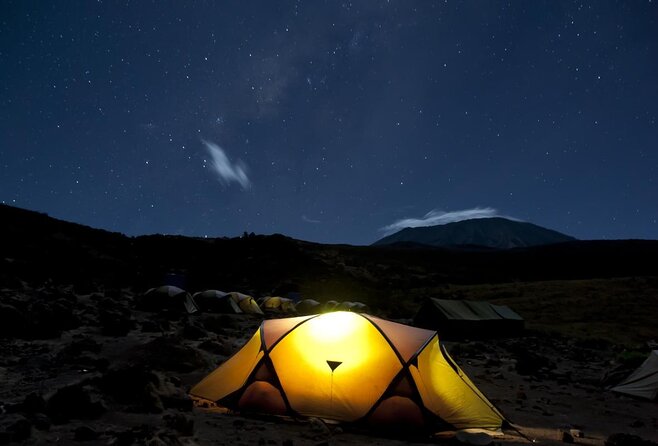
- Seven days on the mountain: The route runs from Machame Gate to Mweka Gate, with a summit night at Barafu Camp.
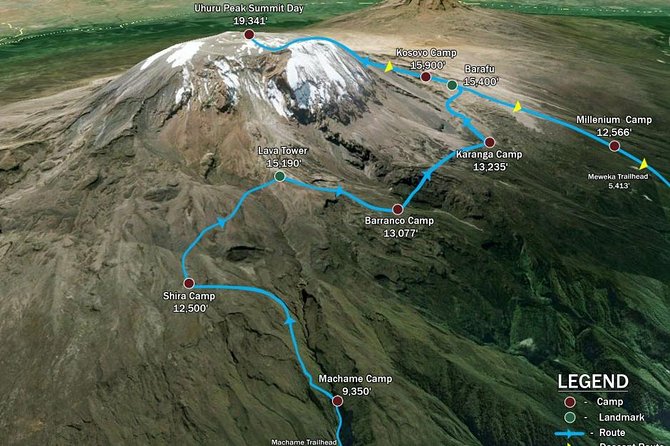
- Strong acclimatization design: You climb to 15,190 feet at Lava Tower, then sleep lower at Barranco Camp.
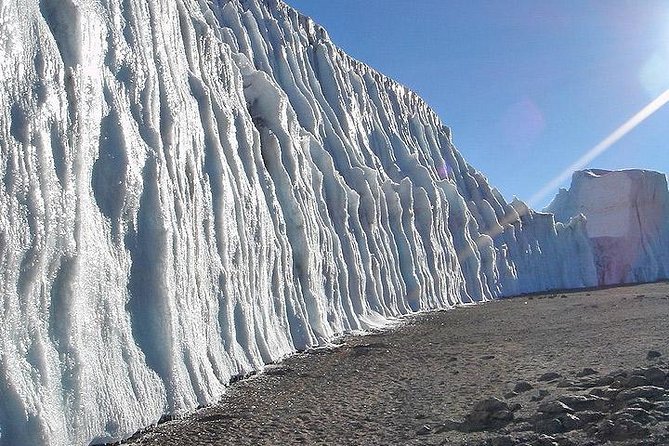
- Five distinct habitats: Expect rainforest, heath, alpine desert, Arctic conditions, and a return to rainforest.
- Private trip format: Only your group takes part, with pickup offered and a mobile ticket.
- Experienced lead guide: Paul is named as the main guide, and his team includes guides and cooks.
- A serious physical challenge: You need moderate fitness, comfort with steep trails, and patience for long hours.
Why the seven-day Machame Route works
Machame is often chosen for its changing scenery and its acclimatization pattern. You do not simply walk uphill every day. Instead, the route takes you higher, then drops you lower to help your body adjust before the summit attempt.
That design matters on Kilimanjaro. Day 3 is especially useful: you reach Lava Tower at 15,190 feet, then descend to Barranco Camp at about 13,044 feet. You finish near the elevation where you began the day, but your body has spent time higher up.
The trip begins and ends in the Arusha area, with the first drive leaving from Moshi toward Machame Gate. Pickup is offered, though you should confirm the exact pickup point and timing before departure. The full price is $2,564.11 per person. That is a substantial amount, but a private seven-day climb with guides, cooks, park access, mountain logistics, and transport at the end can offer solid value if the service is well organized.
The available information does not spell out every inclusion, such as meals, equipment rental, airport transfers, or hotel nights. Ask for a written list before paying. A clear cost breakdown is especially important on a mountain trip, where small missing items can become major problems.
A few more whisky tours around the world worth a look
- 7 days Kilimanjaro climb via Machame route (Whiskey route)
★ 5.0 · 16 reviews
Day 1: Machame Gate to Machame Camp through rainforest
The drive from Moshi to Machame Gate takes about 50 minutes and passes through Machame village on Kilimanjaro’s lower slopes. At the gate, park formalities begin before you set out on the trail.
The first walk covers about 11 kilometers, or seven miles, and takes five to seven hours. You climb from 5,380 feet to 9,350 feet, moving through dense rainforest on a winding path that follows a ridge.
This opening day is a good test of your pace. The trail rises steadily, and the damp forest can make the footing feel slower than the distance suggests. You might find the shade welcome, but humidity and mud can add work. Keep rain protection handy, even if the morning begins dry.
Machame Camp is the first overnight stop. The climb is long enough to feel real, but it does not yet demand the extreme effort of summit day. Your main task is to walk slowly, drink regularly, and avoid treating the first day like a race.
Day 2: Heath and open moorland on the way to Shira 2
The route changes quickly after Machame Camp. You leave the forest and climb toward heath, open moorland, and the Shira Plateau.
This day covers only five kilometers, or three miles, with four to six hours of hiking. The short distance does not mean an easy stroll. You gain about 3,150 feet, reaching 12,500 feet at Shira 2 Camp.
The trail becomes steeper and rockier as it approaches the plateau. You cross a large river gorge before reaching camp. The open setting gives you a different sense of scale than the forest, with fewer trees and more exposed ground.
This is a good place to watch your breathing and walking speed. At 12,500 feet, the altitude begins to affect even fit people. A slow pace is not a sign of weakness here. It is the sensible way to conserve energy for the harder days ahead.
Day 3: Lava Tower and the descent to Barranco
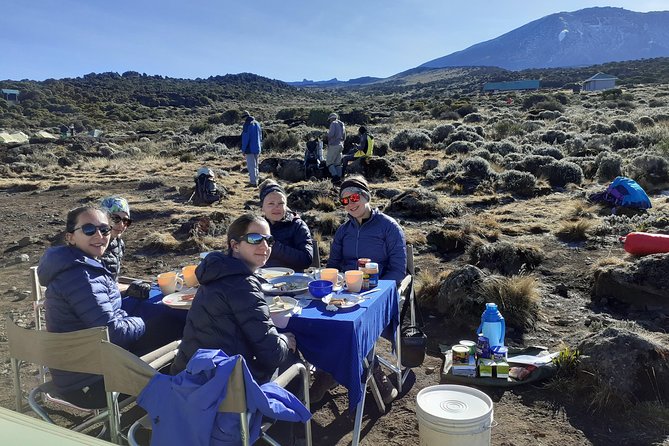
Day 3 is the route’s key acclimatization day. You climb from Shira 2 to Lava Tower, reaching 15,190 feet after about seven kilometers and four to five hours.
Lava Tower is a volcanic rock formation about 300 feet tall. The surrounding alpine desert has a spare, unusual look, with little vegetation and broad views across the high slopes. You may feel the altitude here, even if you are walking at a controlled pace.
After Lava Tower, the trail drops three kilometers to Barranco Camp at 13,044 feet. That descent is not merely a scenic change. It lets you spend time high up, then sleep lower than your highest point of the day.
The route passes through the Senecio Forest, a strange and memorable zone of giant plants and dry mountain ground. This is one of the best days for understanding why a seven-day schedule can be worth the extra time. A shorter itinerary may save money or days, but it can give your body less time to adjust.
Same region, a different dram:
- Edinburgh: The Scotch Whisky Experience Tour and Tasting
★ 4.7 · 5,213 reviews - Dublin: Jameson Whiskey Distillery Tour with Tastings
★ 4.7 · 4,859 reviews - Dublin Jameson Distillery Bow St. Tour and Tasting 45 mins
★ 5.0 · 4,690 reviews - Melbourne: Yarra Valley Wine, Gin, Whisky and Chocolate Tour
★ 5.0 · 3,667 reviews
Day 4: Climbing the Barranco Wall to Karanga
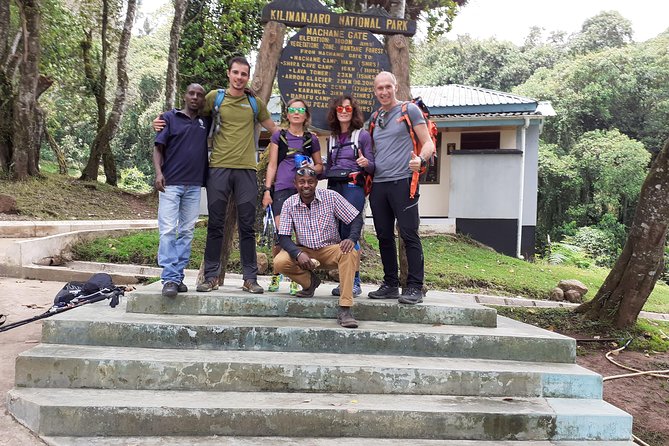
The Barranco Wall is the day’s main feature. From camp, you descend into a ravine, then climb the steep rock face, which rises nearly 900 feet.
The wall is non-technical, meaning the route does not require climbing equipment according to the supplied trip details. It is still steep and exposed in places, so you should expect to use your hands for balance and take your time.
Once above the wall, you cross a series of hills and valleys before dropping into Karanga Valley. The final climb leads to Karanga Camp at 13,106 feet.
The total distance is five kilometers, and the walking time is four to five hours. This shorter day is intended for acclimatization. Do not underestimate it simply because the mileage is low. The Barranco Wall can be tiring, and the repeated climbs and descents test your legs.
I like this day because it gives the route a sense of variety. You are not grinding straight uphill. You are working over ridges, descending into valleys, and then climbing again. That variety also means your effort can feel greater than the map suggests.
Day 5: Karanga to Barafu and preparation for summit night
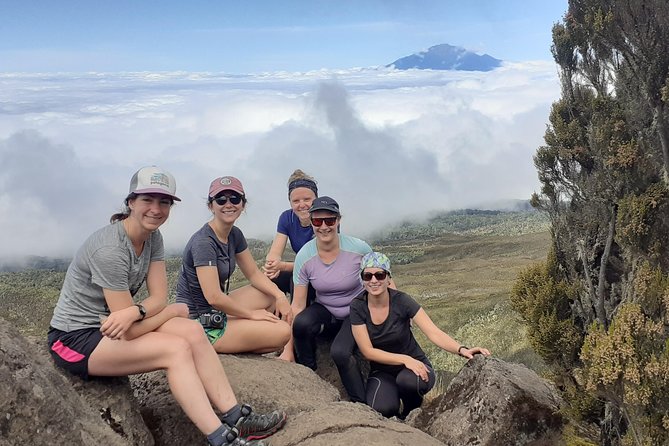
The walk from Karanga Camp to Barafu Camp is only four kilometers, or two miles, but it takes four to five hours. You climb from 13,106 feet to 15,331 feet through rocky alpine desert.
The route meets the Mweka Trail junction before continuing toward Barafu Hut. At Barafu, you have completed the Southern Circuit, which gives views of Kibo and Mawenzi from different angles.
This is the point where the character of the trip changes. The walking distance is short, but the summit is close and the air is thin. The plan calls for an early dinner, rest, and preparation for the night climb.
You should treat the afternoon as recovery time. Organize warm layers, headlamp supplies if required, water, snacks, and anything else you will carry uphill. The provided details do not state which personal equipment is supplied, so confirm that before arrival.
Barafu Camp is exposed and high. Cold and wind can make waiting harder than walking. Keep your clothing dry and your evening routine simple.
Day 6: The midnight climb to Uhuru Peak
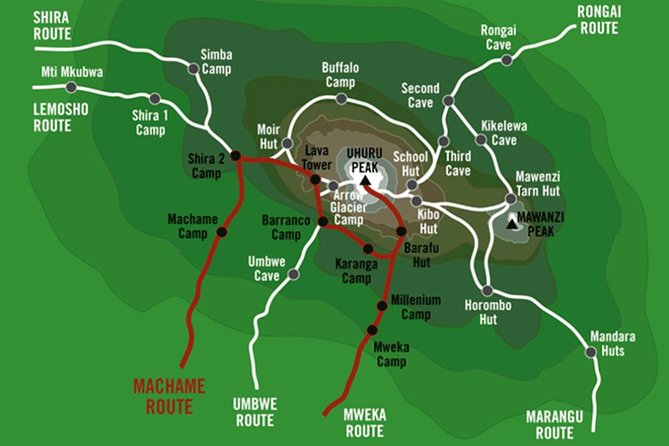
Summit day begins around midnight. From Barafu Camp, you climb about five kilometers to Uhuru Peak, gaining roughly 4,010 feet and reaching 19,341 feet.
The ascent takes seven to eight hours. You walk in darkness, usually taking frequent short breaks rather than long stops. Cold, wind, fatigue, and altitude combine to make this the hardest part of the climb.
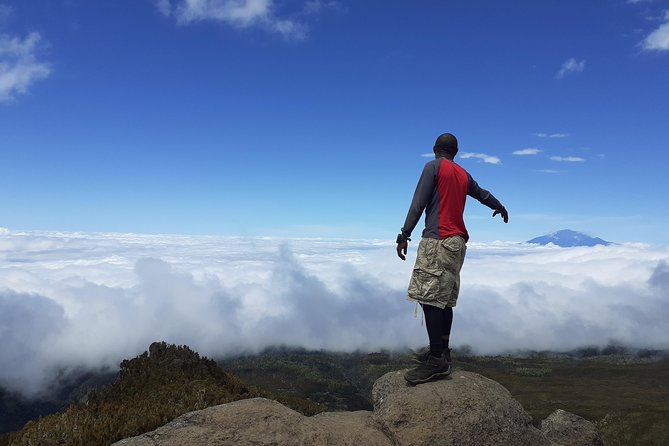
Near Stella Point, at about 18,900 feet, sunrise over Mawenzi can reward the long night. The final section continues toward Uhuru Peak, the highest point on Kilimanjaro. Reaching the summit is a major physical achievement, but the experience depends heavily on pacing and on how your body reacts to altitude.
The descent is not a gentle finish. You walk 12 kilometers from Uhuru Peak to Mweka Camp, dropping to 10,065 feet in four to six hours. After the barren Arctic zone near the summit, the return to rainforest feels dramatic.
This is an exhausting day, with roughly 17 kilometers of walking and a huge change in elevation. You should not plan important activities immediately afterward. The schedule is built around reaching Mweka Camp, not around giving you a relaxed afternoon.
Day 7: Returning through rainforest to Mweka Gate
The final day covers ten kilometers from Mweka Camp to Mweka Gate. The descent takes three to four hours and returns you from 10,065 feet to 5,380 feet.
Lower sections can be wet and muddy. After the strain of summit day, this part may feel easy in comparison, but slippery ground and tired knees still require care. Trekking poles can be useful, though the supplied details do not confirm whether they are provided.
At Mweka Gate, you collect summit certificates. You then continue for about another hour to Mweka village, where a vehicle meets you for the drive back to your hotel in Moshi or Arusha.
That final vehicle transfer is practical. It saves you from arranging transport after a long descent and gives the trip a clear endpoint. Confirm which hotel areas are covered, since the information says Moshi or Arusha but does not give a more exact transfer boundary.
Paul and the support team
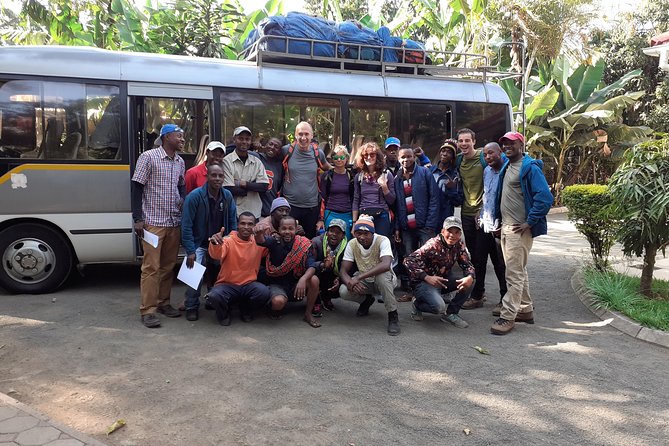
Paul is the named guide, and the trip is operated by a private team that includes guides and cooks. The strongest praise attached to the experience focuses on care, attention, practical advice, and food.
One particularly useful detail is that Paul can cater for a gluten-free diet. If you have allergies or dietary restrictions, give full information before the climb rather than waiting until the first camp.
The available comments also describe the team as attentive and kind, with good food and advice that helped the group reach the summit in good condition. Those details matter more than polished promises on a mountain. A guide’s pacing, communication, and response to fatigue can shape the entire climb.
The group format is private, so only your party participates. That can make it easier to set a steady pace and discuss personal needs. It may also mean the price is higher than a large shared departure. Ask how many guides and support staff will accompany your group, since that information is not specified.
Price, fitness, and practical value
At $2,564.11 per person, this is not a budget walk. It may still be fair value for a private seven-day climb if the price includes park fees, mountain staff, camping, meals, transfers, and the other core services required for the route.
You should ask for these details in writing:
- What meals and drinks are included
- Whether camping gear is supplied
- Which hotel transfers are covered
- Whether park and camping fees are included
- How many guides and cooks join the group
- What happens if altitude sickness stops your climb
- Whether porter support is part of the price
The stated fitness requirement is moderate, but the schedule is demanding. You need to handle five to eight hours of walking on most days, steep uphill sections, a rocky wall, and a summit day that begins around midnight.
Good preparation should focus on sustained walking and uphill endurance. You do not need to prove anything by starting fast. The route rewards a slow pace, steady breathing, and careful rest.
The cancellation terms are strict near departure. Cancel at least six full days before the start for a full refund. Cancellation two to six full days before the start receives 50 percent, while cancellation within two days receives no refund. Poor weather or failure to meet the minimum number of participants can lead to a new date or a full refund.
Who should book this climb?
I would choose this experience if you want the classic Machame scenery, a private group, and a full seven days for acclimatization. It is also a sensible option if personal support matters to you, especially if you need a special diet or prefer working with a named guide.
I would not choose it for a relaxed mountain holiday. The summit night is cold, dark, and long. The route includes steep ground, high altitude, and a demanding descent immediately after Uhuru Peak.
The trip suits people who are prepared to walk patiently and accept that the summit is never guaranteed. A strong team can improve your chances, but no guide can remove the effects of altitude or bad weather.
Should you book the Machame Route?
Book it if you want a private, seven-day Kilimanjaro climb with varied scenery, a sound acclimatization plan, and support from Paul’s team. The Lava Tower descent, Barranco Wall, Mawenzi sunrise, and rainforest finish give the route plenty of character.
Before booking, confirm every inclusion behind the $2,564.11 price and ask detailed questions about equipment, meals, staff, transfers, and emergency procedures. If you have moderate fitness, realistic expectations, and enough time to prepare, this is a well-structured way to attempt Uhuru Peak. If you want comfort, short days, or a low-risk holiday, choose something less demanding.
FAQ
Where does the Kilimanjaro climb take place?
The climb takes place in Kilimanjaro National Park in Tanzania, beginning at Machame Gate and ending at Mweka Gate.
How long is the experience?
The climb lasts approximately seven days.
What route is used?
The experience uses the Machame Route, also called the Whiskey Route.
What is the highest point reached?
The highest point is Uhuru Peak at 19,341 feet.
Is pickup available?
Yes, pickup is offered. The final transfer takes you from Mweka village back to a hotel in Moshi or Arusha.
Is this a private activity?
Yes. Only your group participates in the activity.
What level of fitness is required?
You should have a moderate physical fitness level. The climb includes several five to eight-hour hiking days and a long summit day.
What is the cancellation policy?
Cancel at least six full days before the start for a full refund. Cancellation two to six full days before the start receives a 50 percent refund, and cancellation within two days is nonrefundable.
Just added around the world
- Zagreb: Fine Spirit Tasting & Distillery Tour★ 5.0 · 3 reviews
- York: Gin Tasting Experience at York Distillery★ 5.0 · 7 reviews
- VIP Skip-the Line Titanic Museum and Whiskey Tasting Tour★ 4.8 · 11 reviews
- Waiheke Island: HEKE Distillery & Brewery Tour with Tastings★ 5.0 · 2 reviews
- Hokkaido: Nikka Yoichi Whisky Museum Guided Tour & Tasting★ 4.7 · 4 reviews
- NON BUS Old Mission Wine And Distillery Sunset Tour – 4 STOP★ 5.0 · 2 reviews
- Uncle Nearest Green Distillery Tour from Downtown Nashville★ 4.5 · 12 reviews
- Craft Gin and exclusive brandies in unique distillery★ 5.0 · 8 reviews
Whisky & Whiskey Tours, compared.
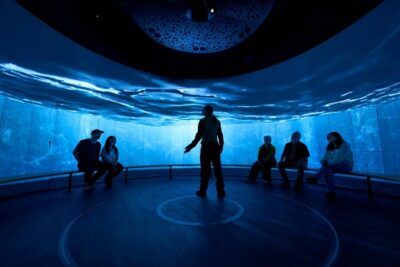
Edinburgh: The Scotch Whisky Experience Tour and Tasting
Read our review →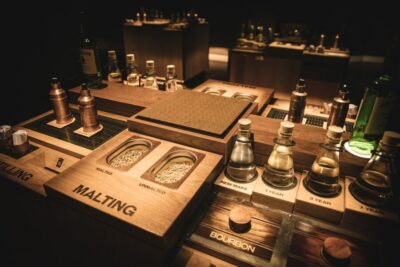
Dublin: Jameson Whiskey Distillery Tour with Tastings
Read our review →
Dublin Jameson Distillery Bow St. Tour and Tasting 45 mins
Read our review →
Dublin Irish Whiskey Museum and Gallery Guided Tour with Tasting
Read our review →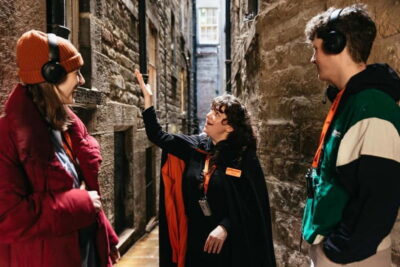
Edinburgh: Underground Vaults Evening Ghost Tour with Whisky
Read our review →
Dublin Jameson Distillery and Guinness Storehouse Guided Tour
Read our review →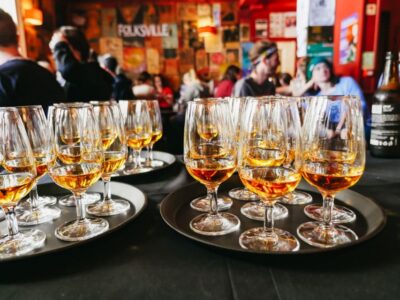
Edinburgh: Whisky Tasting with History and Storytelling
Read our review →