REVIEW · DISTILLERY TOURS
Seoul: Soju Tasting at Distillery
The most revealing part of this Hongdae soju tasting is the lesson that Korean alcohol is not just the familiar green bottle. Sam guides you through unfiltered rice wine, filtered rice wine, and strong distilled soju, including a premium spirit with a serious 45 to 50 percent alcohol level.
I like two things right away: Sam speaks fluent English, so questions about brewing and drinking customs are easy, and the tasting gives you at least seven samples rather than one token sip. The catch is clear: this is a strong-liquor experience, not a light social drink. If tequila or whisky is not your thing, choose a makgeolli-focused tasting instead.
Key points to know
- Seven or more samples: The selection changes, but the tasting mainly focuses on distilled soju.
- Premium strength: Many pours are between 45 and 50 percent alcohol, far stronger than standard green-bottle soju.
- Samhae soju tradition: Taste a spirit linked to Joseon-era noble households and a family recipe passed down for more than 400 years.
- Easy Hongdae access: The meeting point is about 1.3 kilometers from Hongik University Station Exit 1, with a short bus ride also possible.
- English-led and social: Sam explains the process clearly, and the small-group setting makes it easy to meet people from other countries.
- Strict timing: Arrive at least five minutes early. You cannot join after 20 minutes late.
Why this tasting changes your view of Korean soju
Most visitors first meet soju in a green bottle on a Korean restaurant table. That version is usually a light, mass-produced drink made from diluted ethanol and artificial sweetener. It has its place in Korean dining, but it tells only a small part of the story.
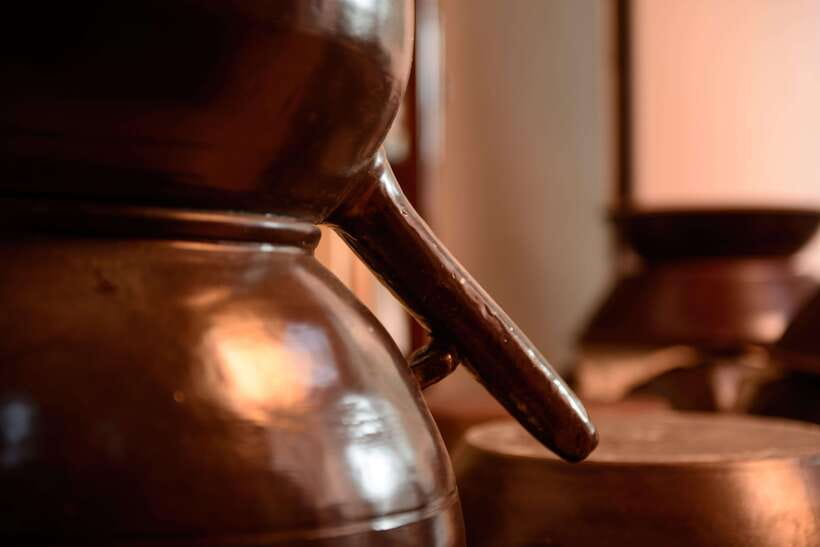
This tasting puts the traditional side of Korean alcohol on the table. You learn three broad categories: takju, an unfiltered rice wine that includes makgeolli; cheongju, a filtered rice wine; and soju, a distilled spirit. The categories help you understand what you are drinking instead of treating every Korean rice-based alcohol as the same thing.
I find that distinction especially useful if you plan to visit breweries, traditional restaurants, or alcohol shops elsewhere in South Korea. After this session, labels and brewing methods have more meaning. You can also explain why makgeolli and soju are not simply Korean versions of sake.
The main focus is soju, and the tasting includes samples made through different methods and stages. You may taste early products from the brewing process along with finished spirits. The exact line-up changes with availability, but at least seven samples are served, with most of them being soju.
More Distillery Tours in the world:
- Dublin: Jameson Whiskey Distillery Tour with Tastings
★ 4.7 · 4,859 reviews - Dublin Jameson Distillery Bow St. Tour and Tasting 45 mins
★ 5.0 · 4,690 reviews - Dublin Jameson Distillery and Guinness Storehouse Guided Tour
★ 4.5 · 2,608 reviews
Meeting Sam near Hongik University Station
The experience takes place in the Hongdae area, but the meeting point is not right outside the station. You need to make your own way to a small, triangle-shaped parking lot beside the building at Seoul, Mapo-gu, Seongsan-dong 103-5.
The supplied Google Maps, Naver Map, and Kakao Map links are important here. Use the mobile map address rather than relying on a general search for the distillery. The location is about 1.3 kilometers, or roughly one mile, from Hongik University Station Exit 1. A bus ride takes about five minutes.
A Pizza Hut across the street is another useful landmark. Still, I would not cut this close. Arrive at least five minutes before the start, since Sam picks up the group shortly before the tasting. You may be allowed to arrive up to 20 minutes late, but the instructions say you cannot join after that point.
This is one of those Seoul activities where a few extra minutes save a lot of stress. Hongdae is easy to reach, but the final walk and exact meeting spot require attention. Save the map links before leaving your hotel, especially if you are switching between Korean and English map apps.
The opening lesson: takju, cheongju, and soju
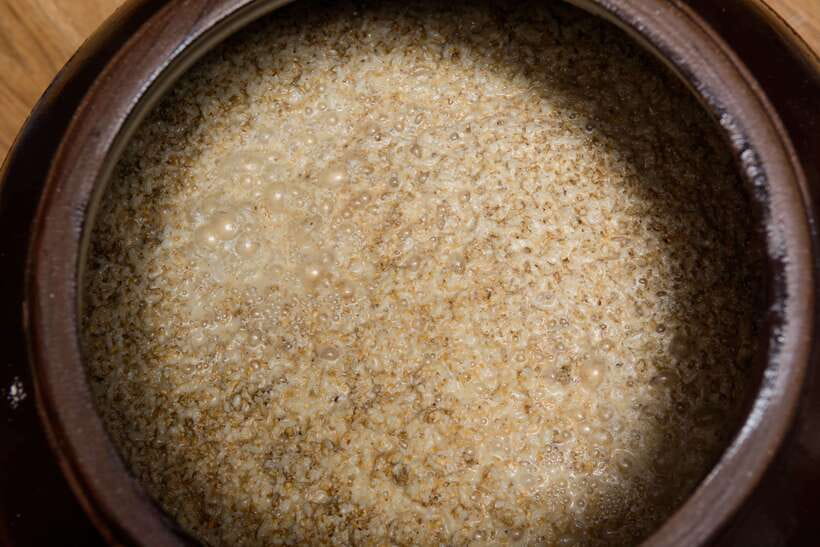
Sam begins by setting Korean alcohol in context. This is more valuable than it may sound. Without the opening explanation, a strong rice spirit can feel like a parade of unrelated pours. With it, you can follow how rice, fermentation, filtering, and distillation produce very different drinks.
Takju is unfiltered. Makgeolli is the best-known example, often associated with a cloudy appearance and a softer drinking style. Cheongju is filtered rice wine. Soju is distilled, which explains why the premium examples served here can reach 45 to 50 percent alcohol.
The tasting may include takju and cheongju depending on availability, but the emphasis remains on soju. This means you should not book expecting a balanced half-makgeolli, half-soju event. The product mix can shift, and the listing specifically says the tasting mainly consists of spirits.
Sam also explains how the drinks are made and how their flavors differ. You can ask about ingredients, methods, Korean drinking culture, and the relationship between traditional and modern soju. His fluent English matters here because these are the parts of the experience that are easy to lose in translation.
Tasting the seven or more samples
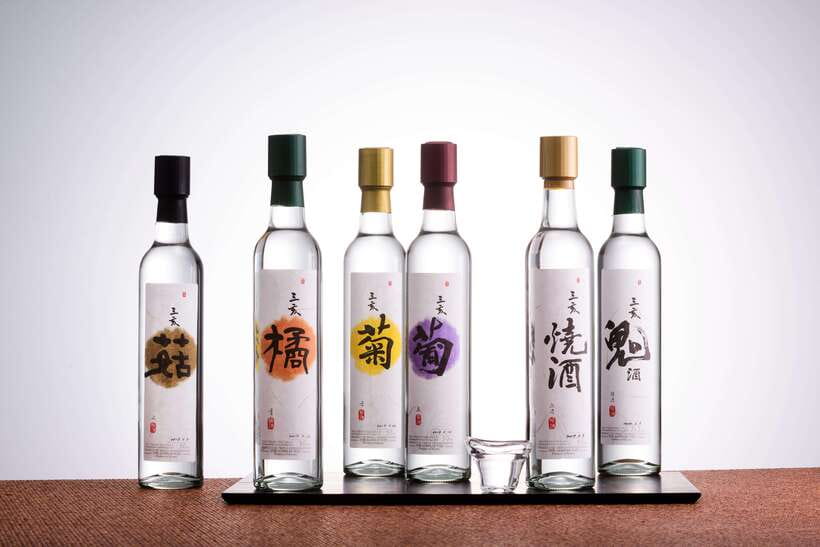
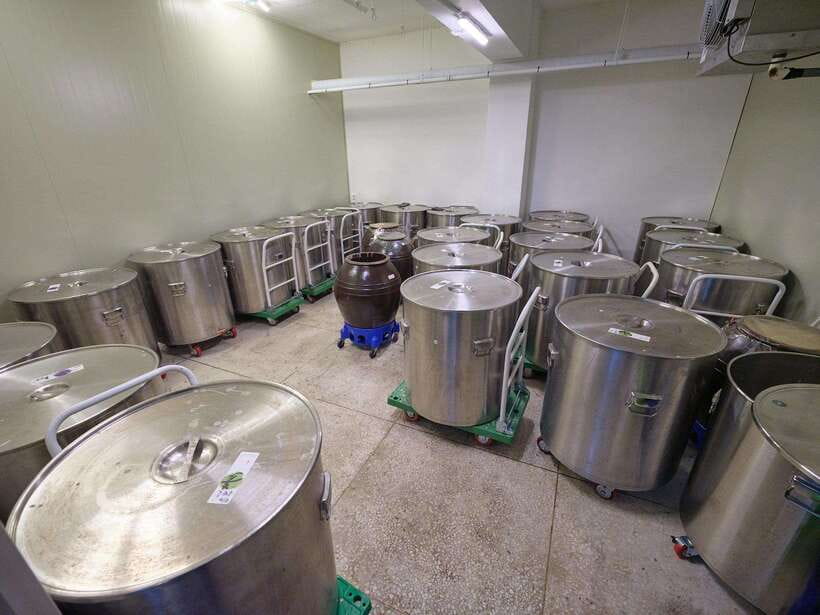
The tasting itself is the heart of the 80-minute session. You receive at least seven samples, though the types can change. The selection may include two drinks from earlier stages of production and around six finished products, as one detailed account of the format describes.
That structure gives you something useful to compare. Instead of judging one drink in isolation, you can notice how fermentation and distillation change the result. Some samples show a more direct rice character, while others demonstrate how traditional methods can create different aromas and finishes.
Do not expect every pour to taste like the standard soju served in casual restaurants. The premium spirits are much stronger and more individual. One sample may seem clean and intense, while another may offer a different character from its brewing method or ingredients.
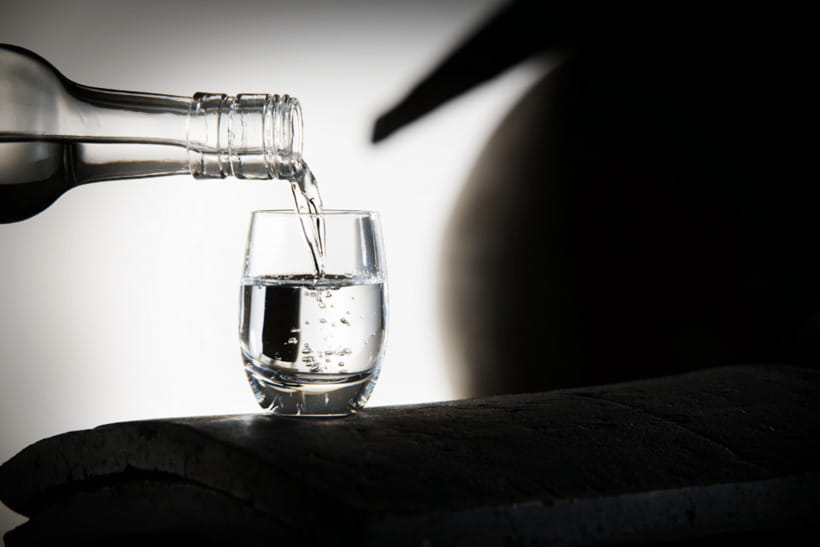
The alcohol level deserves real attention. The premium soju here is between 45 and 50 percent, similar in strength to many whiskies and some tequilas. You are welcome to come with curiosity, but the experience is a poor match for anyone who generally dislikes strong liquor.
I would treat the tasting as a slow educational session, not a race to finish every glass. The point is to compare the drinks and listen to the explanations. If you want a gentler Korean alcohol experience, a makgeolli tasting with a sommelier is likely the better choice.
A few more whisky tours around the world worth a look
- Edinburgh: The Scotch Whisky Experience Tour and Tasting
★ 4.7 · 5,213 reviews - Melbourne: Yarra Valley Wine, Gin, Whisky and Chocolate Tour
★ 5.0 · 3,667 reviews - Dublin Irish Whiskey Museum and Gallery Guided Tour with Tasting
★ 5.0 · 3,078 reviews - Edinburgh: Underground Vaults Evening Ghost Tour with Whisky
★ 4.7 · 2,685 reviews
The story behind Samhae soju
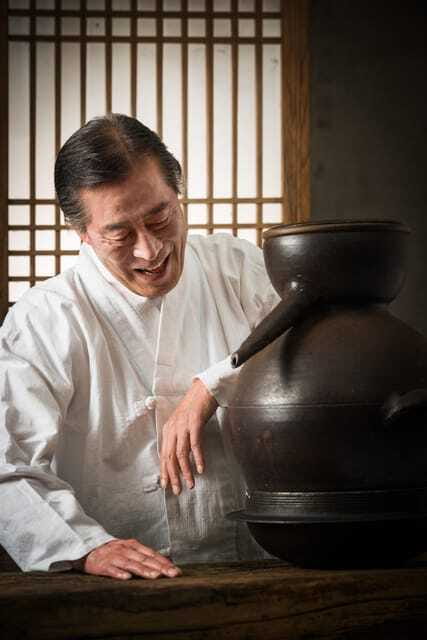
One of the most distinctive parts of the session is the chance to taste Samhae soju. It was associated with the noble class during the Joseon Dynasty, which lasted from 1392 to 1894. The spirit later developed a following among people who valued its traditional method and distinctive character.
The current master, Hyeonjong Kim, spent more than 10 years learning under Taeksang Kim. The recipe had been preserved within the family, creating a direct link between the present bottle and an old Korean spirit tradition. The family tradition is described as more than 400 years old.
That background gives the tasting a stronger purpose. You are not simply sampling a high-proof drink because it is unusual. You are learning why a particular method, recipe, and lineage matter in Korean food culture.
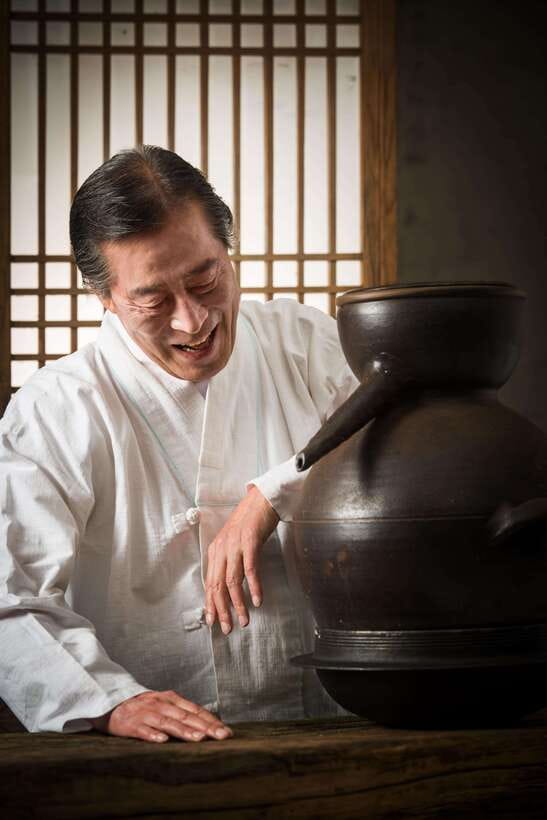
Sam explains this history in a relaxed way, mixing technical details with stories about Korean life and drinking customs. Several accounts describe him as funny, friendly, and easy to talk with. One person even suggested he could work as a comedian, which tells you something about the tone: this is not a stiff lecture.
What makes Sam such an important part of the experience
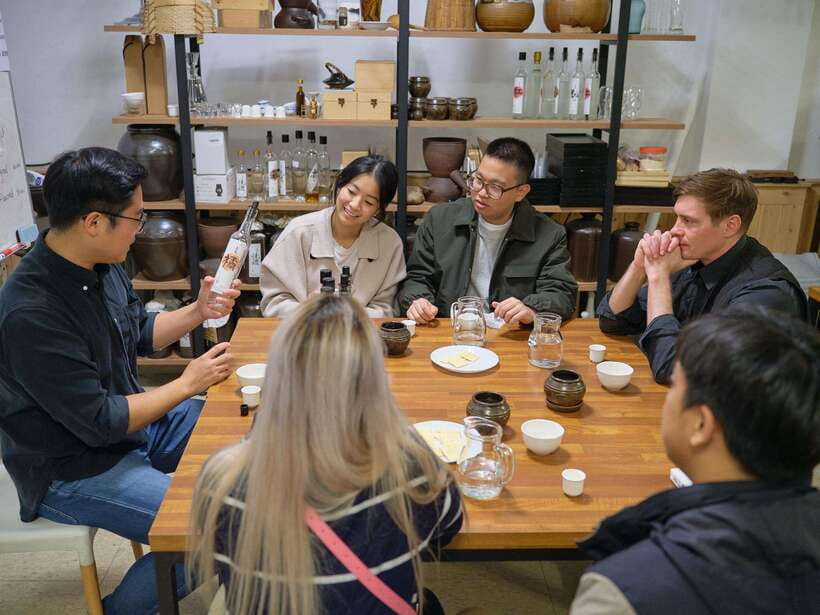
The alcohol is the subject, but Sam is the reason the session works for people who want more than a flight of samples. He explains the brewing process in plain English and welcomes questions about his background, Korean culture, and local life.
His role also helps international visitors avoid a common problem in food and drink activities: knowing what is in the glass but not knowing how to interpret it. Sam connects the sample to its method and place in Korean culture.
The social side is another plus. Groups can include people from several countries, and the format gives you an easy topic of conversation from the first pour. Some people continue on to Korean barbecue afterward, and Sam can offer suggestions for bars and restaurants in the area.
That local advice is useful because Hongdae has plenty of choices, but not every nearby place will suit your mood or budget. Sam has also helped with restaurant recommendations and bookings. This is not a promised part of the formal itinerary, so think of it as a helpful bonus rather than a guaranteed service.
Is $49 a fair price?
At $49 per person, this is not a bargain drink special. It is a guided tasting built around premium, high-strength spirits, a traditional family recipe, and at least seven samples. You are paying for Sam’s explanation, the setting, the product selection, and the chance to taste styles of soju that are not the ordinary green-bottle type.
I consider the price reasonable if you are genuinely interested in Korean food culture or traditional brewing. The session packs history, production methods, comparisons, and a substantial number of pours into 80 minutes.
The value is weaker if you only want a casual drink near Hongdae. You can find inexpensive soju almost anywhere in Seoul, and this experience is more formal and educational than a night at a bar. It also may not suit people who prefer low-alcohol drinks or who want a full meal included.
One practical value is that you can use the knowledge later. After learning the differences between takju, cheongju, and soju, you can make better choices at restaurants and traditional markets. If you buy a bottle afterward, you will also have a clearer idea of what makes it different.
Who should book this Seoul tasting?
I would choose this for adults who already enjoy whisky, tequila, neat spirits, or traditional food and drink. It is also a good fit if you want a cultural activity that is more focused than a general nightlife tour.
The English instruction makes it useful for visitors who want detailed explanations without a language barrier. Solo visitors can meet other people, and couples or friends get a structured activity before dinner.
You should think twice if you dislike strong alcohol, are pregnant, or are under 18. The experience is not suitable for children, and the host specifically recommends a lighter makgeolli tasting for people who do not enjoy powerful spirits.
Mobility should not be a major barrier because the activity is listed as wheelchair accessible. You still need to reach the meeting point independently, and the route from the station may be more comfortable by bus or taxi depending on your needs.
Booking, cancellation, and timing tips
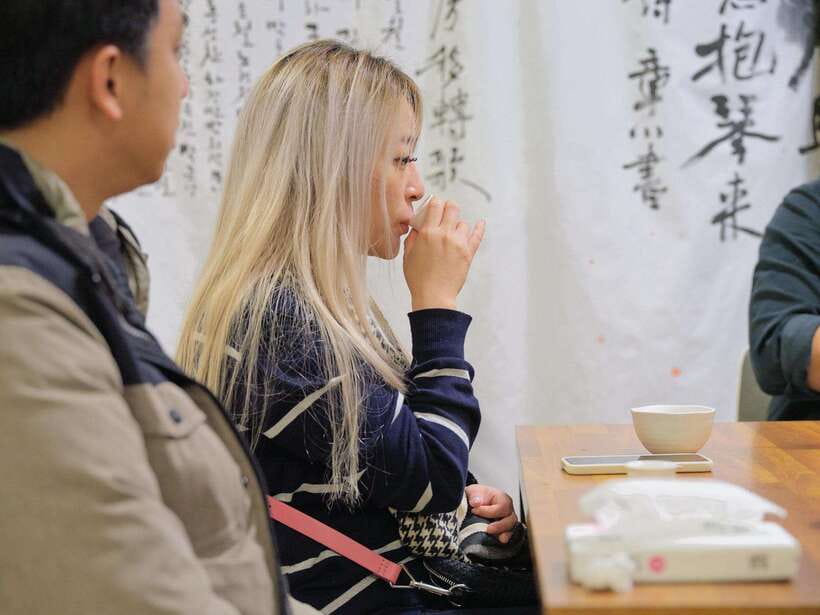
The activity lasts 80 minutes, with several possible starting times shown when you check availability. You can reserve now and pay later, which helps if your Seoul schedule is still changing.
Free cancellation is available up to 24 hours before the tasting for a full refund. For a private group or event, book an available date first and then message the host. The host may be able to adjust the session for your group.
For the smoothest arrival, save all three map links, note the Korean taxi address, and arrive five minutes early. The triangle-shaped parking lot beside the building is the key detail. Do not assume the station name alone will take you to the exact door.
Should you book the Samhae soju tasting?
Book it if you want to understand the traditional side of Korean alcohol and can handle a flight of spirits at 45 to 50 percent. Sam’s English, humor, and clear explanations give the tasting a personal feel, while the seven or more samples provide enough range to make the comparisons worthwhile.
Skip it if you mainly want light drinks, a meal, or a quick introduction to standard soju. In that case, choose a makgeolli-focused experience or simply order a bottle at dinner.
For the right drinker, this is one of the more useful alcohol activities in Seoul. It replaces the usual green-bottle shortcut with a look at Korea’s older brewing traditions, a historic family recipe, and the many ways rice can become a serious spirit.
FAQ
How long does the soju tasting last?
The activity lasts 80 minutes.
How many drinks will I taste?
At least seven samples are served. The selection can change, but it mainly consists of distilled soju.
How strong is the soju?
The premium soju served during the tasting is between 45 and 50 percent alcohol.
Is the tasting held in English?
Yes. The live guide is Sam, and the activity is conducted in English.
Where is the meeting point?
The meeting point is in Seoul’s Mapo-gu area, at Seoul, Mapo-gu, Seongsan-dong 103-5. You meet at the small triangle-shaped parking lot beside the building.
How far is it from Hongik University Station?
It is about 1.3 kilometers, or one mile, from Hongik University Station Exit 1. The journey can also be made by a bus ride of about five minutes.
Is there a useful landmark near the meeting point?
Yes. A Pizza Hut is directly across the street from the meeting point.
Can I join if I am late?
You should arrive at least five minutes early. You may be late by up to 20 minutes, but you cannot join after 20 minutes.
Is the activity suitable for children?
No. Children under 18 cannot join, and pregnant women should not take part.
Can I cancel for a full refund?
Yes. You can cancel up to 24 hours before the tasting for a full refund.
Just added around the world
- Zagreb: Fine Spirit Tasting & Distillery Tour★ 5.0 · 3 reviews
- York: Gin Tasting Experience at York Distillery★ 5.0 · 7 reviews
- Waiheke Island: HEKE Distillery & Brewery Tour with Tastings★ 5.0 · 2 reviews
- Hokkaido: Nikka Yoichi Whisky Museum Guided Tour & Tasting★ 4.7 · 4 reviews
- VIP Skip-the Line Titanic Museum and Whiskey Tasting Tour★ 4.8 · 11 reviews
- Uncle Nearest Green Distillery Tour from Downtown Nashville★ 4.5 · 12 reviews
- NON BUS Old Mission Wine And Distillery Sunset Tour – 4 STOP★ 5.0 · 2 reviews
- Craft Gin and exclusive brandies in unique distillery★ 5.0 · 8 reviews
Distillery Tours, compared.
Dublin: Jameson Whiskey Distillery Tour with Tastings
Read our review →
Dublin Jameson Distillery Bow St. Tour and Tasting 45 mins
Read our review →
Dublin Jameson Distillery and Guinness Storehouse Guided Tour
Read our review →
Nashville to Jack Daniel’s Distillery Bus Tour + Whiskey Tastings
Read our review →
Dublin Teeling Whiskey Distillery Guided Tour and Tasting 1 Hour
Read our review →
Edinburgh: Holyrood Distillery Whisky & Gin Tour
Read our review →