
REVIEW · CORK
Rebel City Distillery Tour
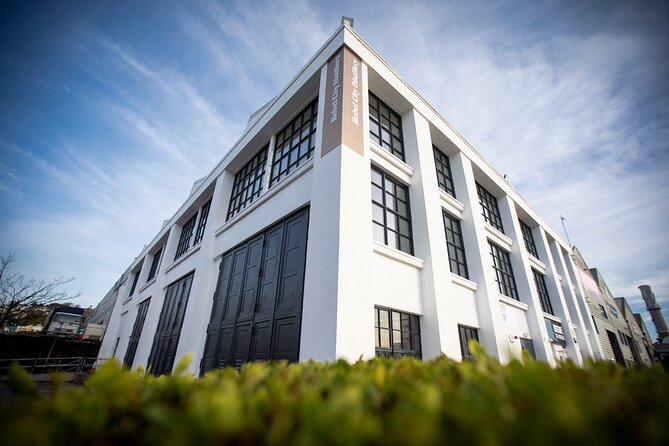
Cork’s Rebel City Distillery occupies a wonderfully unlikely setting: a repurposed Ford car factory overlooking the River Lee. In one hour, you get a gin and tonic, a look at the stills and production area, a lesson in Indian botanicals, and tastings of gin and absinthe. It feels more like meeting a small producer than visiting a polished attraction.
I especially like the personal scale and the clear Ireland-meets-India story behind the spirits. Guides such as Bhagya and Roisin explain the work with warmth, and Bhagya may add a light game or extra gin tasting to the visit. The main drawback is the location: it sits in an industrial area and can be about a 30-minute walk from Cork’s center, so you need to allow time for the journey.
Key points to know before booking
- A former Ford factory gives the tour a real Cork setting, rather than a purpose-built tasting room.
- Bhagya and Roisin lead a friendly, personal visit, with the owners closely involved in the experience.
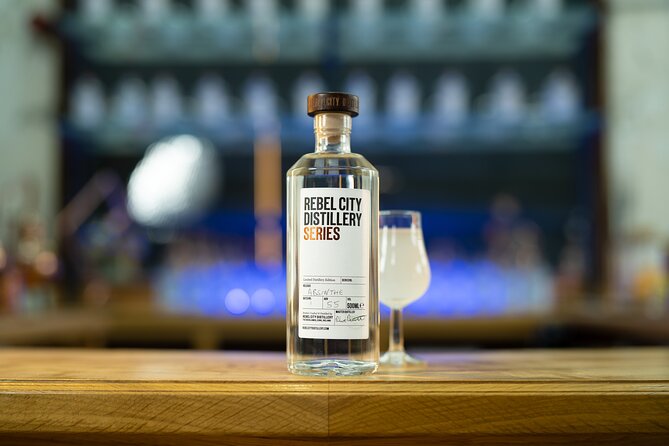
- Your tasting includes a gin and tonic, 10 ml of neat gin, and 10 ml of neat absinthe.
- The tour covers gin, vodka, and absinthe, with the focus on how botanicals and distillation shape each spirit.
- A food hall next door adds an easy follow-up stop for food, drinks, shopping, or a snack.
- The one-hour visit costs about $33.88 per person, listed as €28, which is fair if you value a small group and direct contact with the makers.
Why the old Ford factory matters
Rebel City Distillery began in 2020, making it a young business with a strong sense of place. It is the first distillery in Cork city in 50 years and the only one in the heart of the city, set inside a former Ford factory that had been unused for decades.
That setting gives the visit more character than a standard bar tasting. You are not simply handed a glass and told a few facts about gin. The building connects the company to Cork’s industrial past, while the spirits look toward something newer and more international.
The distillery’s identity draws on both Cork and India. Indian botanicals are part of the story and the flavor profile, while Cork supplies the setting and local spirit. I like that connection because it gives the tour something to explain beyond the usual list of juniper, citrus, and tonic.
You will hear why this particular building was chosen, so the industrial location is not just an inconvenience. It becomes part of the lesson. Still, the setting may surprise you if you expect a central tasting room surrounded by cafés and old stone streets.
Starting with gin and tonic
The visit begins with a gin and tonic in hand. That is a smart introduction because it lets you taste the spirit in its most approachable form before trying it neat.
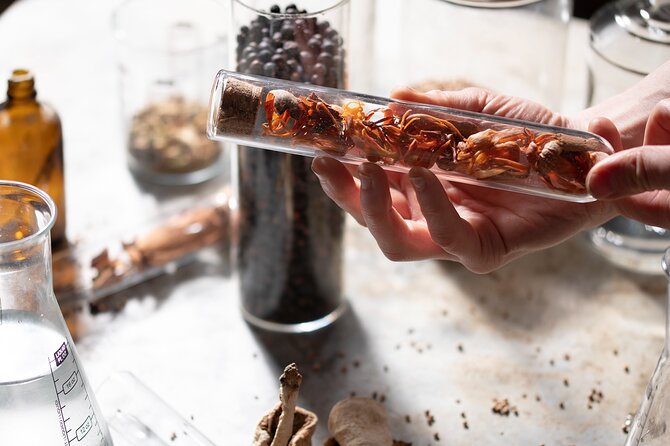
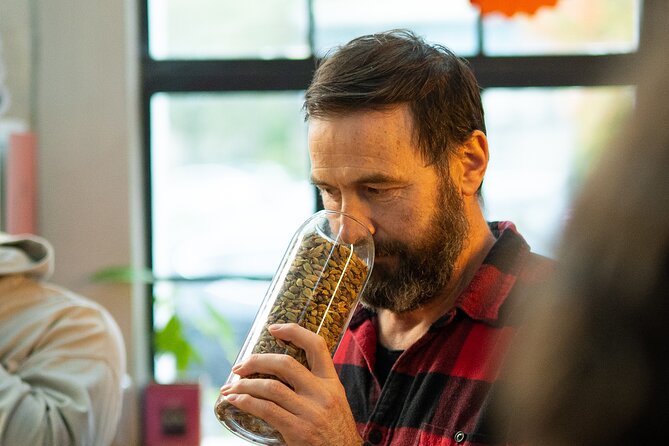
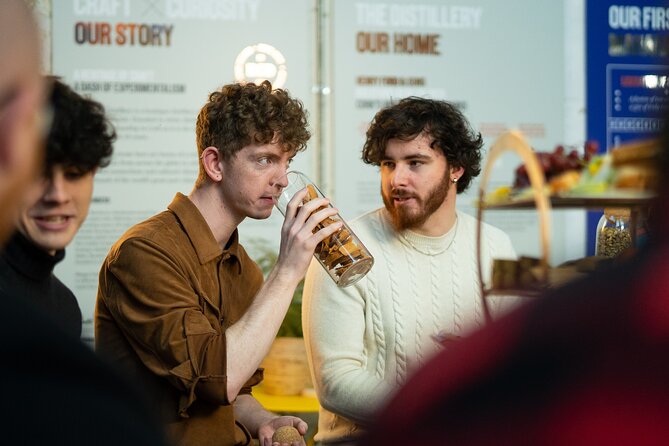
Gin can be a hard sell for anyone who associates it with a sharp, bitter drink. Here, the tonic gives you a familiar starting point, then the guide can explain how the botanicals affect the aroma and taste. You also get a chance to smell the ingredients, including the Indian botanicals used in the distillation process.
This part is especially useful if you are still deciding what you think of gin. One tasting alone will not turn every person into a gin fan, but it gives you a better sense of what is in the glass and why the flavor changes when mixed with tonic.
The drink is included in the admission price, so you do not begin the tour with an extra bar bill. Pace yourself, though. The neat tastings come later, and a one-hour session can move from welcome drink to spirit samples fairly quickly.
Inside the distillery with Bhagya or Roisin
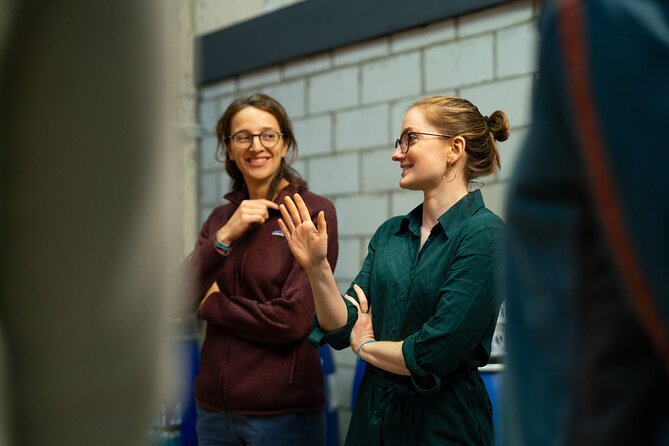
The strongest feature of the experience is the host. Bhagya, one of the owners, often leads the tour and brings an easy, personal style to the visit. She explains the business, the products, and the production process without making the hour feel like a formal lecture.
Roisin has also hosted family visits, explaining the brand’s background, the distillation process, and the different aromas in a way that works for a mixed-age group. The exact guide depends on the date, but the experience is built around a real person rather than an audio recording or a scripted video.
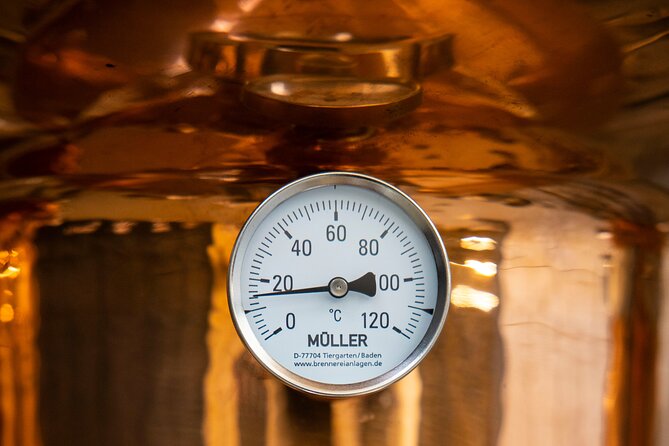
You will see where the spirit is distilled, mixed, and bottled. The visit is not a huge factory walk with a long route and several departments. It is a small operation, which means the focus is on conversation and close observation.
That also explains why one person may describe it as more of a tasting than a full tour. If you want a large production facility, rows of gleaming equipment, and a long route through a major brand’s warehouses, this will feel modest. If you want to ask questions and hear directly from the people making the drinks, the small scale works in its favor.
Group size is not specified, but the experience can become very intimate. One couple even had a private visit when they were the only people who arrived. That kind of personal attention cannot be guaranteed, but the format allows for it.
How gin and absinthe are made
The central lesson concerns distillation. You learn how the spirit is produced, how ingredients are selected, and how the final drink is mixed and bottled.
The experience also explains the role of aroma. Smelling botanicals before tasting the finished spirit helps you connect raw ingredients with what reaches your glass. That makes the visit worthwhile even if you are not a serious gin collector.
Rebel City’s range includes gin, vodka, and absinthe. The company has also discussed rum and whiskey as future additions, but those should not be treated as part of the current tasting. The tour focuses on what is being made now.
The Indian and Cork connection gives the production story a useful human side. The owners select herbs and spices from India and the Cork area, linking family or cultural influences with local production. You are learning about a drink, but also about how a small company builds its identity.
The explanation suits beginners. You do not need to know the difference between a pot still and a botanical basket before you arrive, and no specialist background is required. You can simply pay attention to the smells, taste the samples, and ask what you want to know.
The tasting: gin, vodka, and absinthe
The listed tasting includes 10 ml of neat gin and 10 ml of neat absinthe, along with the gin and tonic at the start. Other tastings may include samples of vodka and other Rebel City spirits, depending on how the session is run.
The neat gin is useful because tonic can hide some of the spirit’s sharper notes. You may find it more intense than the mixed drink, but that is the point. You can compare the two and see what the tonic changes.
Absinthe is a different experience altogether. It is strong and distinctive, and a small pour is enough for a proper taste. If you are new to absinthe, take the sample slowly. You can ask the guide about its botanical character and how it differs from gin.
One family visit included gin and absinthe tasting, and one participant bought a bottle of absinthe afterward. Buying a bottle is not presented as part of the tour, so treat it as an optional extra if products are available for purchase.
Bhagya has also added a friendly guessing game for some small groups, involving questions and objects connected with the distillery. The prize in one case was an extra gin shot. That sort of addition depends on the guide and group, but it reflects the informal nature of the visit.
A Cork stop with a useful after-plan
The distillery is near public transportation, but the exact transport instructions are important because the building is in an industrial area. From Cork’s center, it can be around a 30-minute walk, according to the practical experience of one family. A taxi makes the trip quicker.
I would not leave this stop until the last minute before another booking. Give yourself time to locate the entrance and get settled, particularly if you are unfamiliar with Cork’s dockland area.
The location does offer a nice advantage after the tasting. An excellent food hall next door provides somewhere to eat, get a drink, browse, or settle in after the spirits. That is handy because the tour itself lasts only about an hour. You can make it a larger outing instead of traveling across town for a short appointment and immediately leaving.
The distillery overlooks the River Lee, but the main attraction is the production space and the people behind it. Do not book this expecting a long scenic walk or a full city sightseeing tour. It is a focused stop with a strong local setting.
Is the $33.88 price good value?
The experience is priced at about $33.88 per person, with the local price shown as €28. Admission includes the guided visit, one gin and tonic, 10 ml of neat gin, and 10 ml of neat absinthe.
That is reasonable for an hour when the owner or a close member of the team may lead the session. You are paying for access to a working small distillery, an explanation of the process, and several tastes, not just for the liquid in the glass.
The value is strongest if you like craft producers, want to understand how spirits are made, or enjoy meeting the people behind a local brand. It is less compelling if you are mainly looking for a large museum-style attraction with a long route and many exhibits.
The personal contact makes the difference. Bhagya’s warmth and clear passion for the products are a repeated strength of the experience, and the hosts engage with the whole group rather than rushing through a script.
Who should book this experience?
I would choose this for couples, small groups, families with adults interested in spirits, and anyone who prefers independent producers to major commercial brands. It is also a good option for people who think they do not like gin. The tonic, botanical discussion, and neat tasting let you try it in more than one form.
It suits visitors who want something local and specific to Cork. The former Ford factory, Cork docklands setting, and India-Ireland production story give the tour a stronger identity than a generic tasting.
It is also a sensible pick if walking is a concern. One person described it as easier to walk through than other distillery experiences. You still need to reach the industrial area, but the visit itself is not built around a long route.
I would hesitate if you dislike strong spirits, have no interest in gin or absinthe, or need a highly polished attraction with guaranteed large-scale facilities. The tour is intimate and informal. That is its appeal, but it also means the experience may vary slightly with the guide and group.
The tour is offered in English. Most people can take part, and confirmation is provided when you book. It is booked about 24 days ahead on average, so I would reserve in advance if your Cork schedule is tight.
Cancellation and practical booking notes
Free cancellation is available up to 24 hours before the start time for a full refund. Changes or cancellations made less than 24 hours ahead are not accepted for a refund.
The experience may be canceled if the minimum number of people is not met or if poor weather affects the operation. In either case, you are offered another date or experience, or a full refund.
The weather rule is worth noting even though most of the visit takes place at the distillery. Check the status before setting out, especially if you have arranged other plans around the booking.
Should you book Rebel City Distillery?
Book it if you want a small, friendly Cork experience with real makers, not a grand factory show. The former Ford building, Indian botanicals, and personal hosting give the hour a clear sense of place.
I would especially recommend it to anyone curious about gin but unsure about it. You get a mixed drink, neat samples, production insight, and a chance to compare the spirit in different forms. Just plan your route carefully, allow extra time for the industrial setting, and consider staying for food at the hall next door.
Skip it only if a short tour and modest working distillery sound too limited. For everyone else, the price is fair, the tasting is focused, and the direct contact with Bhagya, Roisin, or another member of the Rebel City team makes this a worthwhile Cork stop.
FAQ
How long does the Rebel City Distillery Tour last?
The tour lasts approximately one hour.
How much does the tour cost?
The price is about $33.88 per person, with the local price listed as €28.
What is included in the tasting?
The experience includes one gin and tonic, 10 ml of neat gin, and 10 ml of neat absinthe. Admission to the distillery is included.
Is the tour offered in English?
Yes. The experience is offered in English.
Where does the tour take place?
It takes place at Rebel City Distillery in Cork, inside a repurposed Ford Car Factory in the dockland area overlooking the River Lee.
How far is the distillery from Cork city center?
It can be about a 30-minute walk from the center. It is also near public transportation, and a taxi can provide a quicker option.
Can I cancel for a full refund?
Yes. You can cancel at least 24 hours before the start time for a full refund. Cancellations made less than 24 hours before the start time are not refunded.
What happens if the tour is canceled?
If poor weather or an insufficient number of bookings causes a cancellation, you are offered a different date or experience, or a full refund.
More Distillery Tours in Cork Whiskey
- Dublin: Jameson Whiskey Distillery Tour with Tastings
★ 4.7 · 4,859 reviews - Dublin Jameson Distillery Bow St. Tour and Tasting 45 mins
★ 5.0 · 4,690 reviews - Dublin Jameson Distillery and Guinness Storehouse Guided Tour
★ 4.5 · 2,608 reviews - Nashville to Jack Daniel’s Distillery Bus Tour + Whiskey Tastings
★ 5.0 · 1,906 reviews
Cork Whiskey Tours, compared.
Cork Midleton DistilleryJameson Experience & Whiskey Tasting
Read our review →
Cork: Jameson Irish Whiskey & Midleton Distillery Experience
Read our review →
Cork Midleton Distillery Jameson Whiskey Experiences
Read our review →
Clonakilty Distillery Tour & Classic Whiskey Tasting
Read our review →

Blarney Castle Cork City and Jameson Distillery Small groups
Read our review →
Cork: Midleton Distillery Behind the Scenes Tour & Tasting
Read our review →Browse the lists this tour appears in