REVIEW · DISTILLERY TOURS
Guided tour with tasting of the Distillery Bonne Mère
Guadeloupe’s Bonne Mère Distillery puts the making of rum right in front of you, from old copper distillation equipment to the huge cellar holding nearly 10,000 barrels. The site dates to 1863, so this is more than a quick tasting at a shop. You get a look at the working story behind one of Guadeloupe’s best-known drinks.
I like the mix of industrial history and modern eco-responsibility, and I like that the visit ends with a proper tasting of vintage rum cuvées rather than a token sip. The main consideration is pace: at about 90 minutes, this is a focused introduction, not an all-day distillery course, and some English support may depend on the guide available that day.
Key points to know before you book
- A 160-year-old rum site: Bonne Mère was founded in 1863 and remains Guadeloupe’s largest and oldest distillery.
- A real distillation museum: See old production remains, copper columns, and the railway bridge once used to carry sugar cane.
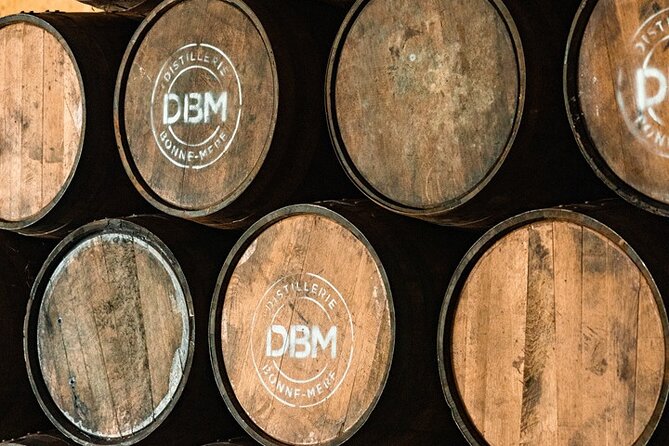
- A massive rum cellar: Nearly 10,000 barrels give the tasting a useful sense of scale and patience.
- Tasting included: The visit finishes with traditional Guadeloupe grands rums and selected vintage cuvées.
- Small maximum group: The tour accepts no more than 20 people, which should make the guide’s explanations easier to follow.
- Low-cost cultural stop: At $10.74 per person, the tour offers a lot of local context for a modest price.
Why Bonne Mère is worth your time
Rum is one of Guadeloupe’s defining products, but a bottle on a shelf tells you very little about how it came to be. At Bonne Mère, you see the machinery, the old transport system, the storage process, and the setting where the final spirit develops its character.
That context matters. The visit connects the drink in your glass with sugar cane, industrial work, copper equipment, ageing barrels, and local history. You are not simply asked to sample rum and move on. You are shown the chain of work behind it.
The distillery began in 1863, giving the site more than a century and a half of activity to draw on. The tour also points toward current eco-responsible practices, so you get both sides of the story: the remains of older production and the effort to operate in a more responsible way today.
I especially like that the tour does not treat the old equipment as decoration alone. The former railway bridge, once used to move cane, helps explain how the site functioned. The copper distillation columns show you the physical heart of rum production. These details turn an abstract history lesson into something you can see.
More Distillery Tours in the world:
- Dublin: Jameson Whiskey Distillery Tour with Tastings
★ 4.7 · 4,859 reviews - Dublin Jameson Distillery Bow St. Tour and Tasting 45 mins
★ 5.0 · 4,690 reviews - Dublin Jameson Distillery and Guinness Storehouse Guided Tour
★ 4.5 · 2,608 reviews
Starting at 5000 Rue de la Distillerie
The experience begins at Distillerie Bonne Mère, at 5000 Rue de la Distillerie in Sainte-Rose on Basse-Terre Island. It also ends there, so you do not need to arrange a separate return point after the tasting.
A mobile ticket is accepted, which is useful if you prefer to keep your booking on your phone. Confirmation arrives at booking, and the group is limited to 20 people. That maximum is large enough to create a little energy but small enough for a guide to address the group without needing a loudspeaker.
Allow about 90 minutes for the full visit. That is a good length for fitting the distillery into a day of sightseeing around Basse-Terre. You can learn the basic production story, see the historic remains, visit the cellar, and taste the rum without giving up most of your afternoon.
The supplied price is $10.74 per person. I consider that strong value if you already have an interest in rum, local industry, or Guadeloupean culture. Even if you are only mildly curious, the combination of a museum, industrial site, cellar, and tasting gives you more substance than a standalone sample flight.
The old railway bridge and the story of cane
One of the most distinctive pieces of the visit is the old railway bridge through which sugar cane was transported. It is an easy detail to overlook in a standard tasting, but it says a great deal about the practical side of plantation and distillery work.
Cane had to reach the production area in quantity and on time. A railway bridge gives you a visible reminder that rum was once tied to a much larger system of agriculture, transport, machinery, and labor. It also helps place the distillery in its industrial setting rather than presenting it as an isolated brand.
You may find that this part of the tour appeals even if you are not a rum enthusiast. The bridge is a physical link to the site’s older working life. It gives the guide a natural way to explain how the distillery grew and how cane moved through the operation.
The tour description also points to remains from 160 years of activity. That does not mean every stage of production from the past is still intact, but it does mean the visit has genuine historical material rather than a newly built display with a few old labels.
Inside the distillation museum
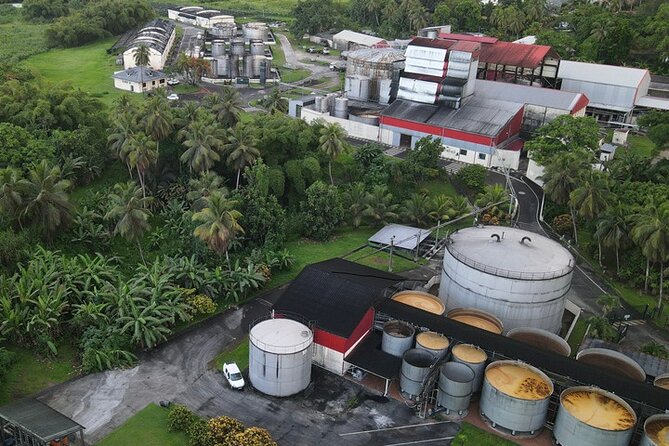
The distillation museum is where the production process receives its clearest explanation. You can expect to learn how the different stages connect, with the old equipment helping show what happens before the rum reaches the barrel.
The copper distillation columns are a key sight. Copper has long been associated with distillation equipment, and these columns make the process easier to picture than a written explanation alone. The guide can point out the parts of the system and explain their role in turning cane-based material into spirit.
I like this part because it gives structure to the tasting that comes later. Once you have seen the production equipment, the rum in your glass has a place in the story. You can think about the raw material, the distillation, and the time spent in storage instead of treating each sample as an unrelated drink.
The museum also preserves the memory of the distillery’s older methods. That is useful for visitors who want local context, but the experience is not presented as a museum visit only. The old remains lead into an active rum-making tradition and the current work of the distillery.
More Guided Tours in the world:
- Dublin Irish Whiskey Museum and Gallery Guided Tour with Tasting
★ 5.0 · 3,078 reviews - Dublin Teeling Whiskey Distillery Guided Tour and Tasting 1 Hour
★ 5.0 · 1,765 reviews - The Scotch Whisky Experience Guided Whisky Tour – An Introduction to Whisky
★ 4.5 · 1,578 reviews - Guided Tour at the Curaçao Liqueur Distillery
★ 4.5 · 589 reviews
Eco-responsible practices on an industrial site
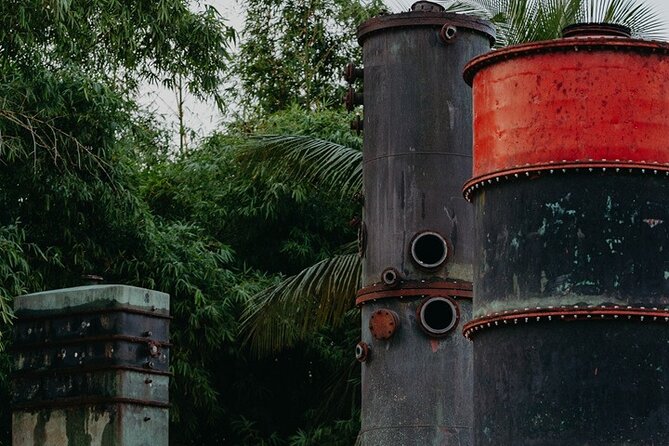
Bonne Mère places attention on eco-responsible practices as part of its modern identity. The provided details do not list each practice in technical terms, so you should not expect a full environmental audit during a 90-minute visit. You can, however, expect the guide to explain how the distillery connects its current operation with more responsible methods.
That balance is worthwhile. Industrial heritage can sometimes be presented as if the past were the only thing that mattered. Here, the visit also asks you to consider how a long-running producer works today.
For me, this adds a useful layer to the tour. You see the old railway bridge and copper columns, then hear about present-day efforts. The result is a more honest picture of production: tradition matters, but a modern distillery must also think about its impact and resources.
If your main goal is a highly technical account of energy use, waste systems, or production figures, this may feel too brief. The tour promises an introduction rather than a specialist engineering visit. For most people, the eco-responsible angle works best as part of the wider story.
The cellar with nearly 10,000 barrels
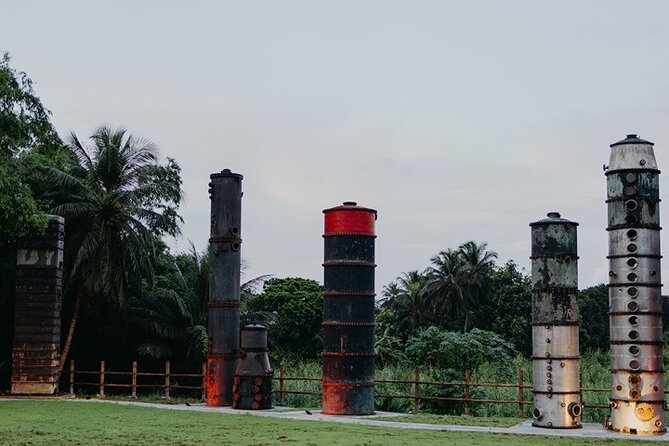
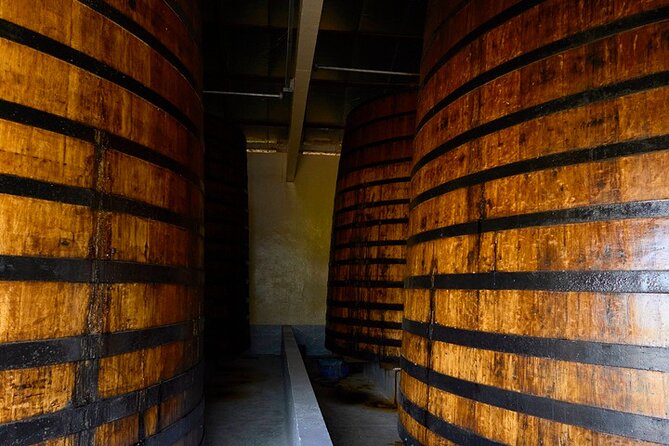
The rum cellar is likely to be the most atmospheric stop. Nearly 10,000 barrels give the space a scale that a small tasting room cannot match. Rows of casks make the ageing process visible and help explain why some rums cost more than others.
A barrel is not just storage. Time changes the spirit, and the cellar shows that ageing is part of the product rather than a final marketing detail. Seeing the number of barrels also gives you a sense of how much rum the distillery handles.
This is where the tour moves naturally from history and machinery toward flavor. The guide can connect the production process with the rums you will taste, giving you a better basis for comparing them.
The cellar may be especially appealing to anyone who enjoys wine or spirits, but you do not need a trained palate to appreciate it. The visual scale does much of the work. Still, keep your expectations sensible: the supplied information does not promise access to every part of the storage operation or a private barrel selection.
The final tasting of Guadeloupean grands rums
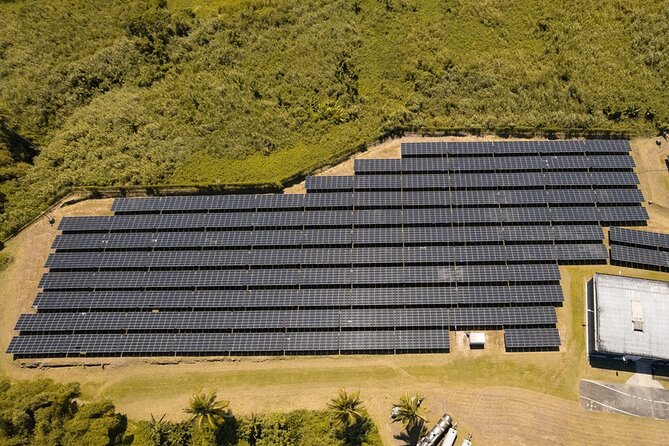
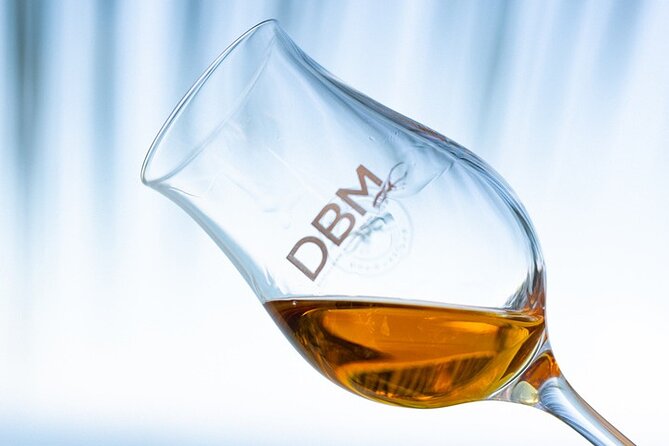
The tasting concludes the visit with traditional Guadeloupe grands rums and selected vintage rum cuvées. This is the point where the earlier parts of the tour come together.
You can use the tasting to compare styles and notice how ageing affects aroma, color, and finish. The experience is designed to introduce the distillery’s range, not simply to hand you a single sample. The word vintage also suggests that the selection may include rums with different ageing periods or release character, though the exact pours are not specified.
I appreciate the order of the experience. Tasting first can make the drink seem detached from its origins. Here, you see the site and production story first, then sample the result. That makes the final portion more informative and gives you something specific to discuss with the guide.
The tasting is refined rather than described as a party or a large drinking session. That is good news if you want a cultural visit with controlled sampling. If you do not drink alcohol, the available information does not state whether an alternative tasting is offered, so you should check before booking.
Guide quality and language expectations
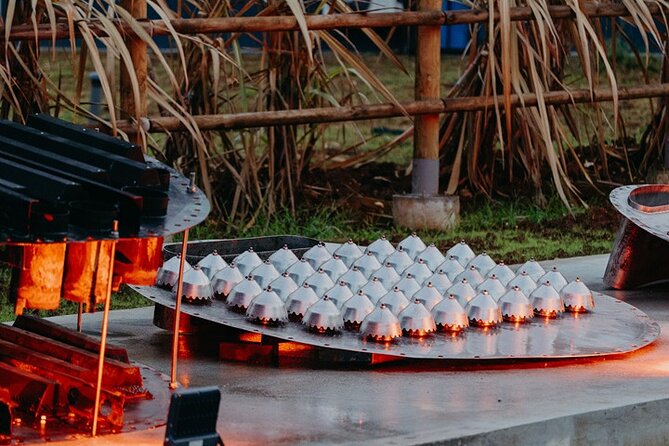
The tour has received very strong overall marks, with a 4.9 rating from 81 reviews and a 99 percent recommendation rate. The most praised points are clear explanations, a pleasant and lively guide, the well-kept setting, and the tasting.
One guide named in the feedback is Pierre. He reportedly provided spontaneous English guidance for a group that needed it. That is encouraging if you do not speak French, but it is not a guarantee that every departure will be led in English or that Pierre will be present.
You should ask about language availability if it is important to you. The experience can still be worthwhile with limited language support because the museum pieces and machinery are visual, but detailed explanations are a major part of the visit.
The comments also point to a dynamic presentation. That matters at a distillery because production terms can become dry when delivered as a list. A lively guide can keep the story moving from cane transport to distillation and then to ageing.
Who will get the most from this visit
I would recommend Bonne Mère to several kinds of visitors:
- Rum drinkers who want to understand production before tasting.
- History-minded visitors interested in old industrial sites.
- Couples and small groups looking for a short cultural activity on Basse-Terre.
- Visitors who want good value without committing to a half-day excursion.
- People curious about Guadeloupe beyond beaches and scenery.
Families may also find the machinery and railway bridge interesting, though the tasting portion is designed for adults. The tour allows service animals, and most people can participate according to the supplied accessibility information.
This is less suitable if you want a long, highly technical masterclass or a broad tour of several distilleries. It focuses on one important site and keeps the schedule to about an hour and a half.
Practical value, timing, and group size
At $10.74 per person, the price is one of the strongest reasons to consider this experience. You receive admission, a guided visit, access to the museum and cellar, and a tasting. For a modest outlay, you get both a local-history stop and a food-and-drink experience.
The 20-person maximum is also useful. A very large group can make it hard to hear beside machinery or in a cellar, while a small group may feel more personal. This size sits in a practical middle range.
Plan around local time, especially if you need to change your booking. Free cancellation is available up to 24 hours before the start time for a full refund. Changes or cancellations inside that 24-hour window are not accepted for a refund, so avoid leaving the decision until the last minute.
The meeting and return point are the same. That makes the activity easier to combine with other plans, but the supplied information does not give transport arrangements from other parts of Guadeloupe. You will need to arrange your own way to Sainte-Rose unless your wider day includes transport.
Should you book the Bonne Mère Distillery tour?
Book it if you want a compact, well-priced introduction to Guadeloupean rum with genuine industrial history attached. The old railway bridge, copper columns, museum, and huge cellar give the tasting a solid sense of place.
I would be especially inclined to book if you are staying on or exploring Basse-Terre Island and want a break from outdoor sightseeing. The tour adds local culture without taking an entire day.
Think twice if you need guaranteed English, a detailed technical course, or a nonalcoholic alternative. Those points are not confirmed in the available details. Otherwise, the combination of a 160-year-old site, a 90-minute schedule, a small maximum group, and a tasting for $10.74 makes this an easy activity to justify.
FAQ
Where does the Distillery Bonne Mère tour begin?
It begins at Distillerie Bonne Mère, 5000 Rue de la Distillerie, Sainte-Rose 97115, Guadeloupe.
Where does the tour end?
The activity ends back at the Distillerie Bonne Mère meeting point.
How long does the experience last?
The tour lasts approximately 1 hour and 30 minutes.
What is included in the visit?
The experience includes admission to the guided visit, the distillation museum, the rum cellar, and a tasting of traditional Guadeloupe grands rums and vintage rum cuvées.
How many people can join the tour?
The activity has a maximum group size of 20 people.
Is the tour available in English?
English guidance was provided spontaneously by Pierre on one occasion, but regular English availability and a specific guide are not guaranteed in the supplied details.
Can I cancel for a full refund?
Yes. You can cancel at least 24 hours before the experience start time for a full refund. Cancellations or changes made less than 24 hours before the start time are not accepted for a refund.
Just added around the world
- Zagreb: Fine Spirit Tasting & Distillery Tour★ 5.0 · 3 reviews
- York: Gin Tasting Experience at York Distillery★ 5.0 · 7 reviews
- VIP Skip-the Line Titanic Museum and Whiskey Tasting Tour★ 4.8 · 11 reviews
- Waiheke Island: HEKE Distillery & Brewery Tour with Tastings★ 5.0 · 2 reviews
- Hokkaido: Nikka Yoichi Whisky Museum Guided Tour & Tasting★ 4.7 · 4 reviews
- NON BUS Old Mission Wine And Distillery Sunset Tour – 4 STOP★ 5.0 · 2 reviews
- Uncle Nearest Green Distillery Tour from Downtown Nashville★ 4.5 · 12 reviews
- Craft Gin and exclusive brandies in unique distillery★ 5.0 · 8 reviews
Distillery Tours, compared.
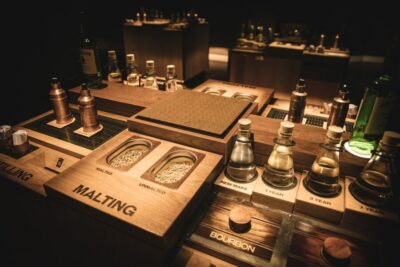
Dublin: Jameson Whiskey Distillery Tour with Tastings
Read our review →
Dublin Jameson Distillery Bow St. Tour and Tasting 45 mins
Read our review →
Dublin Jameson Distillery and Guinness Storehouse Guided Tour
Read our review →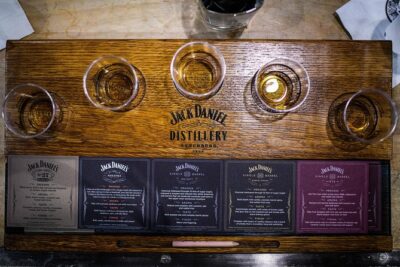
Nashville to Jack Daniel’s Distillery Bus Tour + Whiskey Tastings
Read our review →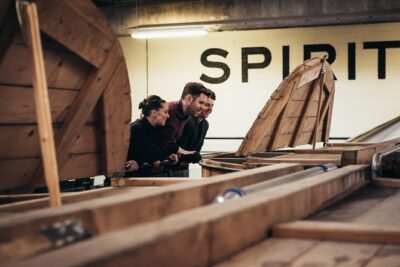
Dublin Teeling Whiskey Distillery Guided Tour and Tasting 1 Hour
Read our review →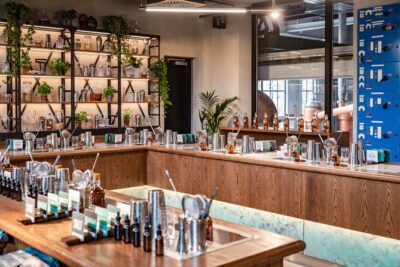
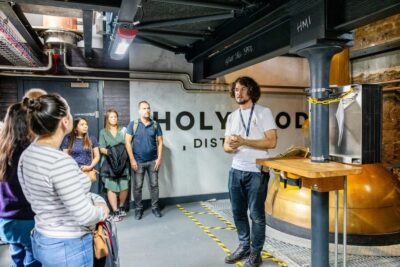
Edinburgh: Holyrood Distillery Whisky & Gin Tour
Read our review →